
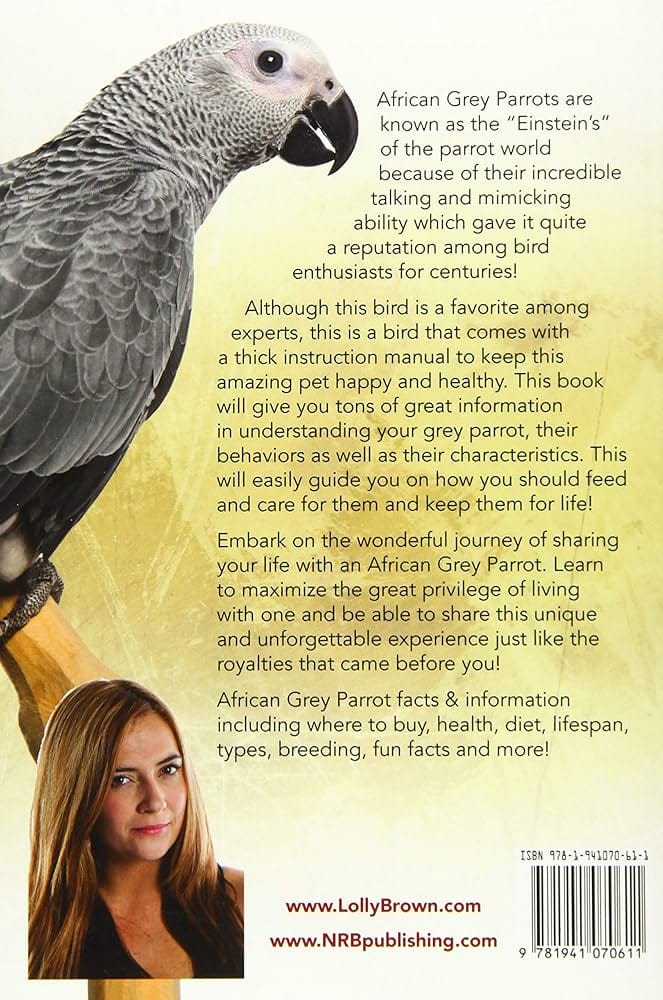
Caring for an African grey parrot involves understanding their unique dietary needs, which can be complex and sometimes controversial. This guide aims to provide a comprehensive overview of what African greys can and should eat, drawing from expert advice and practical experience. Ensuring your parrot receives a balanced diet is crucial for their overall health, which is reflected in their bright eyes, shiny plumage, and alert stance. Learn more about the importance of a healthy diet for your parrot.
Dietary Categories for Parrots
Historically, parrot diets have been categorized into four specialized types: granivory (seeds and grains), nectarivory (nectar), frugivory (fruit), and palinivory (pollen). Some also consider a fifth category, omnivory, which includes a combination of plant-based foods with animal protein. However, the inclusion of animal protein in a parrot’s diet remains a topic of discussion among avian experts.
Essential Components of an African Grey’s Diet
The food options available for captive parrots are extensive, encompassing pellets, seeds, grains, sprouts, fruits, vegetables, nuts, flowers, and weeds. A key decision for owners is whether to prioritize seeds or pellets as the main staple, or to adopt a trend favoring mash and fresh foods. While seeds are what parrots consume in the wild, they often lack essential micro-nutrients when fed exclusively in captivity, potentially leading to poor health. Similarly, neither seeds nor pellets alone provide sufficient Vitamin A; this vital nutrient must be supplemented through green vegetables and orange fruits. Regardless of the primary food source, fresh produce remains a non-negotiable component of a healthy parrot diet.
Vegetables and Fruits
African greys can safely consume a wide variety of vegetables and salads. While some suggest avoiding mushrooms, garlic, and onions due to controversy, many owners feed these without issue. Suitable options include celery, spinach, asparagus, cauliflower, corn, kale, pumpkin, potatoes, peas, carrots, cabbage, and chillies. However, potato and tomato leaves should be avoided. When it comes to fruits, nearly all varieties are acceptable. Bananas, berries, apples, melons, and tropical fruits are generally well-received. It’s worth noting that commercially grown fruits may contain high levels of sucrose, but they are still a relished part of a grey’s diet, with their natural wild food, palm oil fruit, being too rich for captive consumption except as an occasional treat.
Flowers and Produce from Outdoors
Parrots often enjoy flowers, and most varieties are safe to offer. Nasturtium, roses, and pansies can serve as decorative and edible additions to salads. Popular choices with food value include roses, marigolds, and sunflowers. However, it’s crucial to avoid poisonous flowers such as shamrock, holly, poinsettia, and lilies. Many owners also cultivate weeds like dandelions and chickweed, which provide valuable nutrients. Produce gathered outdoors, such as hawthorn berries and milk thistle, can also be beneficial. To prevent contamination, it’s advisable to wash all outdoor produce in a mild disinfectant. Wheatgrass, alfalfa, and parsley grown in pots are excellent additions to a grey’s diet.
Nuts
Nuts are a favorite among African greys and can be offered shelled or unshelled. Varieties like cashews, almonds, walnuts, and pecans are suitable. However, nuts should be given sparingly, typically only a few per day, serving as treats or training rewards. The quantity depends on the individual bird’s activity level; a more active bird can consume more nuts than a sedentary one. Using slivers of nuts for training allows for more repetitions. Coconuts, while too hard for a grey’s beak, offer excellent foraging opportunities in their empty shells.
Pellets and Seeds in a Parrot’s Diet
Formulated pellets are often considered a superior dietary choice for many parrots compared to seeds. Brands like Pretty Bird and Harrison’s offer suitable options for African greys. While some parrots may be difficult to convert from seeds to pellets, it is generally easier to wean young parrots onto a pellet-based diet. Seeds such as safflower and sunflower are acceptable but should not form the majority of the diet due to their lack of micro-nutrients.
The Role of Animal Protein
The question of whether parrots should consume animal protein is debated. While wild parrots are known to eat insects and grubs, and some captive birds tolerate cooked egg, chicken, or fish, others do not. According to Alan Jones, a retired senior UK vet, African greys are facultative omnivores, meaning they will eat available food sources, including insects, grubs, carrion, fish, and caterpillars, especially when feeding chicks. Some owners occasionally feed hard-boiled eggs or vegetable omelets, while others strictly avoid animal products.
Sprouting and Soaking Seeds
Sprouts are a highly beneficial addition to any parrot’s diet. Sprouting reduces the fat content in seeds like sunflowers and activates valuable enzymes. The process involves soaking seeds for 24 hours, followed by rinsing twice daily in a sprouter or a jar with a pierced lid. Sprouts are typically ready in two to three days and should be used immediately to prevent mold growth. Seeds for sprouting can include radishes, broccoli, and beans.
Hydration and Feeding Frequency
Fresh, clean water must be available at all times and changed at least twice daily. Some owners anecdotal evidence suggests that a few drops of cider vinegar in the water may benefit older birds with arthritis. Regarding the quantity of food, a general guideline is to feed approximately 10% of the bird’s body weight daily. For a 450-gram bird, this would be around 45 grams of food. Captive parrots are typically fed two to three times a day. Many owners advocate for two meals, removing the breakfast bowl after thirty minutes to encourage appetite and ensure food freshness.
Lactose Intolerance and Supplements
Parrots lack the ability to digest lactose, and foods high in this milk sugar, such as ice cream or rich cheese, can cause diarrhea. While many parrots enjoy yogurt or small amounts of cheese, it is best to avoid lactose-rich products. African greys can be prone to calcium deficiency, which can lead to seizures and poor health. However, supplements should generally not be given if pellets form the main part of the diet. Instead, focus on calcium-rich foods like kale, almonds, and carrots. Consult an avian vet for personalized advice.
Regurgitation and Cooking for Parrots
Regurgitation in parrots is usually a sign of affection, often intended to feed their perceived mate or fledglings, or a response to sexual maturity. It’s important to ignore this behavior and never punish a parrot for it. While not necessary, cooking for parrots can be an enjoyable activity for many owners. Recipes for “chop” (a mix of grains, vegetables, fruits, nuts, herbs, and spices) and “birdy bread” (an occasional treat due to its richness) are popular. Mash, another preparation method, involves soaking and sprouting seeds and legumes, then cooking them with grains, fruits, and vegetables.
Sharing Human Food and Conclusion
It is critical to understand that many human foods, including fried items, coffee, alcohol, chocolate, and avocado, are toxic to parrots. Owners have two primary options: either prevent their birds from having free access to areas where people are eating or adopt a healthy diet themselves, focusing on vegetarian meals. While specific dietary recommendations for African greys may vary among experts, a conscientious owner must make informed choices based on available knowledge and their bird’s individual needs.
Is your parrot insured? Get a quote for up to £5,000 of vet fee cover, death and theft cover. We’ve been insuring exotic pets since 1996. Check out our customer reviews on Feefo.
