
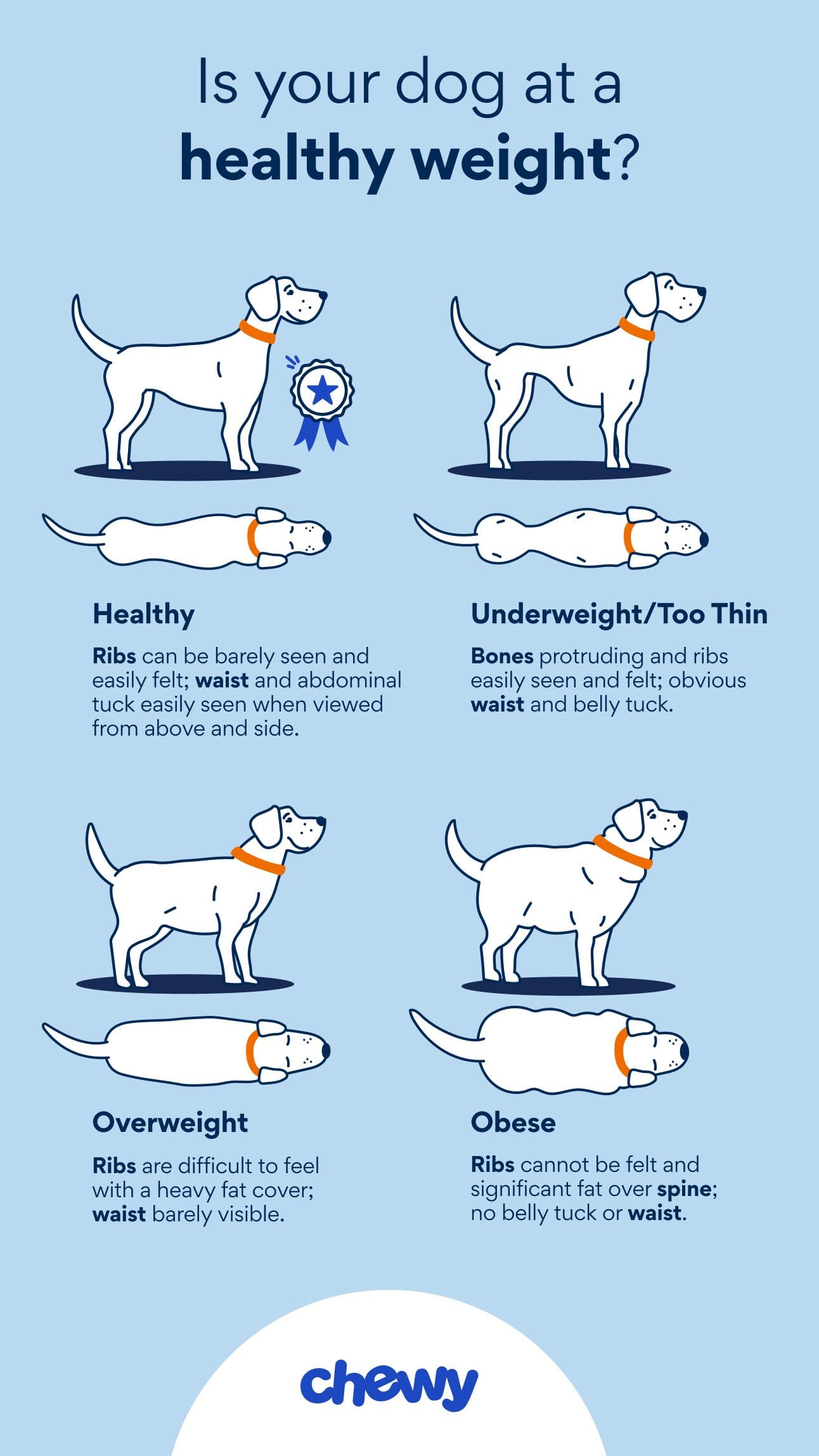
Caring for our canine companions involves a holistic approach, and ensuring they maintain a healthy weight is paramount to their overall well-being and longevity. Overweight or underweight dogs can be susceptible to a range of health issues, impacting their quality of life. This guide delves into the importance of a healthy weight for dogs and provides practical advice for pet parents to achieve and sustain it.
Understanding Canine Obesity and Underweight Concerns
Canine obesity is a growing concern, with a significant percentage of dogs classified as overweight or obese. This condition is often a result of consuming more calories than the dog expends, leading to an accumulation of excess body fat. Factors contributing to weight gain include overfeeding, a lack of regular exercise, and specific breed predispositions. Conversely, some dogs may struggle to gain or maintain weight due to underlying health conditions, inadequate nutrient intake, or high metabolic rates. Both extremes can have detrimental effects on a dog’s health.
The Critical Role of Nutrition in Weight Management
Nutrition is the cornerstone of a healthy weight for any dog. The type and amount of food a dog consumes directly influence their body condition. High-quality dog food, formulated with appropriate nutrient profiles, is essential. For dogs needing to lose weight, specialized “healthy weight” formulas are available, often lower in calories and fat while maintaining essential nutrients. Conversely, underweight dogs may require calorie-dense foods or supplements, under the guidance of a veterinarian.
ADVANCE™ offers a range of dog food products specifically designed to support healthy weight management. Their formulas are crafted with scientifically backed recipes and high-quality, purposeful ingredients to meet the diverse nutritional needs of dogs across different life stages and breeds.
Tailoring Exercise to Your Dog’s Needs
Regular physical activity is crucial for burning calories, building muscle, and maintaining overall health. The type and intensity of exercise should be tailored to your dog’s age, breed, energy level, and any existing health conditions. For active breeds, vigorous play, running, and agility training can be beneficial. Less active dogs or those with joint issues may benefit from gentler activities like leisurely walks or swimming. Consistency is key; aim for daily exercise sessions to support a healthy metabolism and prevent weight gain.
Recognizing and Addressing Weight Issues
Regularly monitoring your dog’s weight is vital. This can be done at home by feeling their ribs – you should be able to feel them easily with gentle pressure, but not see them protruding. Another indicator is observing their waistline; a healthy dog will have a visible waist when viewed from above.
If you notice your dog is gaining excess weight, it’s important to consult with your veterinarian. They can help determine the ideal weight for your dog, rule out any underlying medical causes for weight gain, and recommend a personalized weight management plan. This plan may involve adjusting their diet, increasing exercise, and setting realistic weight loss goals. Similarly, if your dog is consistently underweight, a vet can diagnose the cause and suggest appropriate feeding strategies.
Preventative Measures and Long-Term Health
Proactive management is the best approach to maintaining a healthy weight for your dog. This includes:
- Portion Control: Accurately measure food portions according to the guidelines on the packaging or as recommended by your vet. Avoid free-feeding, which can lead to overconsumption.
- Healthy Treats: Use treats in moderation and opt for low-calorie options. Be mindful that treats contribute to a dog’s daily caloric intake.
- Regular Vet Check-ups: Annual or semi-annual check-ups allow your vet to monitor your dog’s weight and overall health, intervening early if issues arise.
- Understanding Breed Predispositions: Some breeds are more prone to weight gain than others. Be aware of your dog’s breed characteristics and adjust their diet and exercise accordingly.
By prioritizing a balanced diet, consistent exercise, and regular veterinary care, you can help your dog achieve and maintain a healthy weight, setting them up for a longer, happier, and healthier life.
