
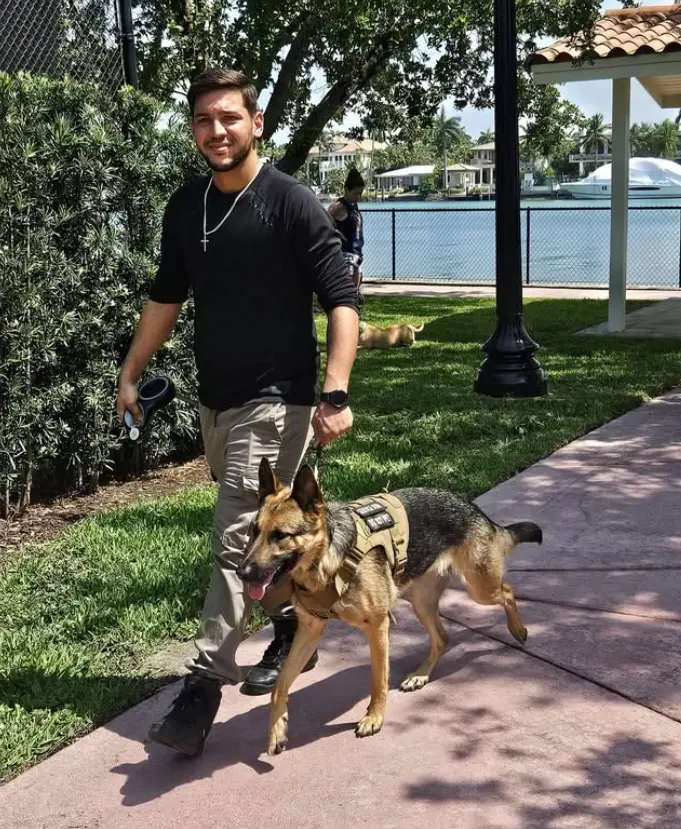
Bringing a new dog into your home is a joyous occasion, but it also comes with responsibilities, and training is paramount. While puppy classes are widely recognized, you might wonder if Adult Dog Training Classes are still beneficial. The answer is a resounding yes! Whether you’ve adopted an adult dog with no prior training, are dealing with new behavioral challenges, or simply want to deepen the bond with your canine companion, adult dog training classes offer a wealth of advantages. These classes provide structured environments to teach new commands, reinforce good behavior, and address specific issues, ultimately leading to a well-behaved and happier dog.
Many people assume that once a dog is past the puppy stage, the window for effective training has closed. This couldn’t be further from the truth. Adult dogs, just like puppies, are capable of learning new things throughout their lives. In fact, their maturity can sometimes be an advantage. Adult dogs may have a longer attention span than puppies and can often grasp concepts more quickly. Furthermore, training an adult dog can be incredibly rewarding, helping to build confidence in both the dog and the owner, and strengthening your relationship.
Why Enroll Your Adult Dog in Training Classes?
Training your adult dog is not just about teaching them tricks; it’s about fostering clear communication, understanding their needs, and building a stronger partnership. Adult dog training classes are specifically designed to cater to the unique learning styles and potential behavioral nuances of older dogs.
Building a Stronger Bond
The foundation of any successful relationship, human or canine, is communication and mutual understanding. Training classes provide a dedicated time and space for you and your dog to connect. Working together on new skills, overcoming challenges, and celebrating successes creates an environment of trust and cooperation. This shared experience deepens the emotional bond between you and your dog, making your relationship more fulfilling.
Addressing Behavioral Issues
Adult dogs may come with a history that includes learned behaviors, some of which might be undesirable. These can range from mild issues like jumping on guests to more significant problems like leash reactivity or separation anxiety. Professional trainers in these classes are equipped to identify the root causes of these behaviors and implement effective, humane dog training methods to correct them. They can provide tailored strategies that address your dog’s specific needs, helping to transform problematic behaviors into positive ones.
Socialization for Adult Dogs
While puppies are well-known for needing socialization, adult dogs can also benefit greatly from structured social interaction. In a controlled class environment, your dog learns to interact appropriately with other dogs and people. This controlled exposure helps them become more comfortable and confident in various social situations, reducing anxiety and preventing the development of fear-based aggression. It’s an opportunity for them to practice polite greetings and learn canine social cues in a safe setting.
Learning New Skills and Commands
Even a well-trained adult dog can benefit from learning new commands or refreshing old ones. Advanced obedience classes can introduce more complex cues or focus on specific skills, such as off-leash heeling or distance commands. This mental stimulation is crucial for keeping your dog engaged and preventing boredom, which can often lead to destructive behaviors. Learning together keeps your dog’s mind sharp and reinforces their responsiveness to your commands.
Canine Good Citizen (CGC) Preparation
Many adult dog training classes are designed to prepare dogs and their owners for the American Kennel Club’s Canine Good Citizen (CGC) program. Earning a CGC certification demonstrates that your dog has basic manners and obedience skills, is well-behaved in public, and is a good ambassador for dogs everywhere. This can be particularly beneficial if you plan to involve your dog in therapy work or simply want a reliable companion in public settings. Understanding how to become a trainer for therapy dogs often starts with a strong foundation in obedience, which CGC courses help establish.
Choosing the Right Adult Dog Training Class
With various training philosophies and class structures available, selecting the best fit for you and your dog is essential. Consider these factors when making your decision:
Training Philosophy
Different trainers employ various methods, from positive reinforcement to more traditional approaches. Positive reinforcement training, which uses rewards like treats, praise, and toys to encourage desired behaviors, is widely regarded as the most effective and humane method for dogs of all ages. Look for classes that emphasize positive methods and avoid those that use punishment or fear-based tactics. Humane dog training methods ensure a positive learning experience for your dog.
Class Structure and Size
Consider the class size and the trainer-to-dog ratio. Smaller classes generally allow for more individualized attention, which can be crucial for adult dogs with specific needs. Some classes focus on general obedience, while others might specialize in areas like agility, nose work, or addressing reactivity. Choose a structure that aligns with your goals. If you are looking for specialized training, consider looking into options like dog training middletown ohio, or dog training las cruces nm, which might offer niche programs.
Trainer Qualifications and Experience
A qualified trainer should have certifications from reputable organizations and extensive experience working with adult dogs. Don’t hesitate to ask about their experience with specific behavioral issues or their approach to training. A good trainer will be patient, knowledgeable, and passionate about helping dogs and their owners succeed.
Your Dog’s Temperament and Needs
Consider your dog’s personality, energy level, and any specific behavioral challenges they may have. A shy or anxious dog might benefit from a class with fewer distractions, while a high-energy dog might thrive in a more active environment. Discuss your dog’s needs with the trainer beforehand to ensure the class is a good match.
What to Expect in an Adult Dog Training Class
Adult dog training classes typically cover a range of essential obedience commands and life skills. While the specifics vary by class and trainer, you can generally expect to work on:
- Basic Obedience: Sit, stay, come, down, and loose-leash walking.
- Problem Behavior Management: Strategies for addressing common issues like excessive barking, jumping, chewing, and house-soiling.
- Socialization: Controlled interactions with other dogs and people.
- Handler Skills: Improving your timing, consistency, and communication with your dog.
You’ll learn how to apply these skills in real-world scenarios, helping your dog generalize their training and become a well-behaved companion in various environments. The structure often includes demonstrations by the trainer, followed by supervised practice sessions where you and your dog can work on the exercises. Feedback and Q&A are usually integral parts of each session.
Making the Most of Your Training Experience
To ensure you and your dog get the most out of adult dog training classes, follow these tips:
- Be Consistent: Practice the skills taught in class regularly at home. Consistency is key to reinforcing learning and helping your dog understand expectations.
- Stay Positive: Maintain a positive attitude during training sessions. Your dog will pick up on your emotions, so enthusiasm and patience will yield better results.
- Use High-Value Rewards: Especially for new or challenging behaviors, use rewards that your dog finds highly motivating, such as special treats or a favorite toy.
- Communicate with Your Trainer: Don’t hesitate to ask questions or seek clarification from your trainer. They are there to support you and your dog’s learning journey.
- Advocate for Your Dog: If your dog seems overwhelmed or stressed, let your trainer know. Modifications can often be made to help your dog feel more comfortable and successful.
Advanced Training and Beyond
Once your dog has mastered the basics, numerous avenues exist for continued learning and engagement. Consider advanced obedience, agility, canine freestyle, or even scent work. These activities provide excellent mental and physical stimulation, further strengthening your bond and ensuring your dog remains a happy, well-adjusted companion. For those interested in specialized roles, understanding how to become a trainer for therapy dogs or exploring programs focused on service dog training can be rewarding next steps. Even if your goals are simpler, ongoing training reinforces good manners and keeps your dog mentally sharp.
Investing in adult dog training classes is an investment in a happier, healthier, and more harmonious life with your canine companion. It’s never too late to learn, and the rewards of a well-trained dog are immeasurable.
Frequently Asked Questions About Adult Dog Training Classes
Q1: Is it too late to train an adult dog?
A1: Absolutely not! Adult dogs are very capable of learning new behaviors and commands throughout their lives. Maturity can even offer advantages like a longer attention span.
Q2: What if my adult dog has never been trained before?
A2: That’s perfectly fine. Training classes are designed for dogs of all experience levels. Trainers are skilled at working with dogs who have no prior training and will guide you through the process.
Q3: How often should I practice training with my adult dog?
A3: Aim for short, frequent training sessions. Several 5-10 minute sessions throughout the day are often more effective than one long session. Consistency is key.
Q4: My dog is reactive to other dogs. Can a training class help?
A4: Yes, many trainers offer specialized classes for reactive dogs, focusing on desensitization and counter-conditioning in a controlled environment. It’s important to discuss your dog’s specific needs with the trainer beforehand.
Q5: What should I bring to an adult dog training class?
A5: Typically, you’ll need a standard 4-6 foot leash, a flat buckle collar or harness, plenty of high-value training treats, and a water bowl for your dog. Some classes may have additional requirements.
Q6: How long does it take for an adult dog to learn in class?
A6: Learning pace varies greatly depending on the dog, the owner’s consistency, and the complexity of the behavior. Progress is usually seen steadily with regular practice, but significant changes take time and dedication.
Q7: What’s the difference between puppy classes and adult dog training classes?
A7: Puppy classes focus heavily on early socialization and basic manners suitable for young pups. Adult classes often address more ingrained behaviors, provide advanced obedience skills, and cater to dogs who may have missed early socialization or need to unlearn certain habits.
