
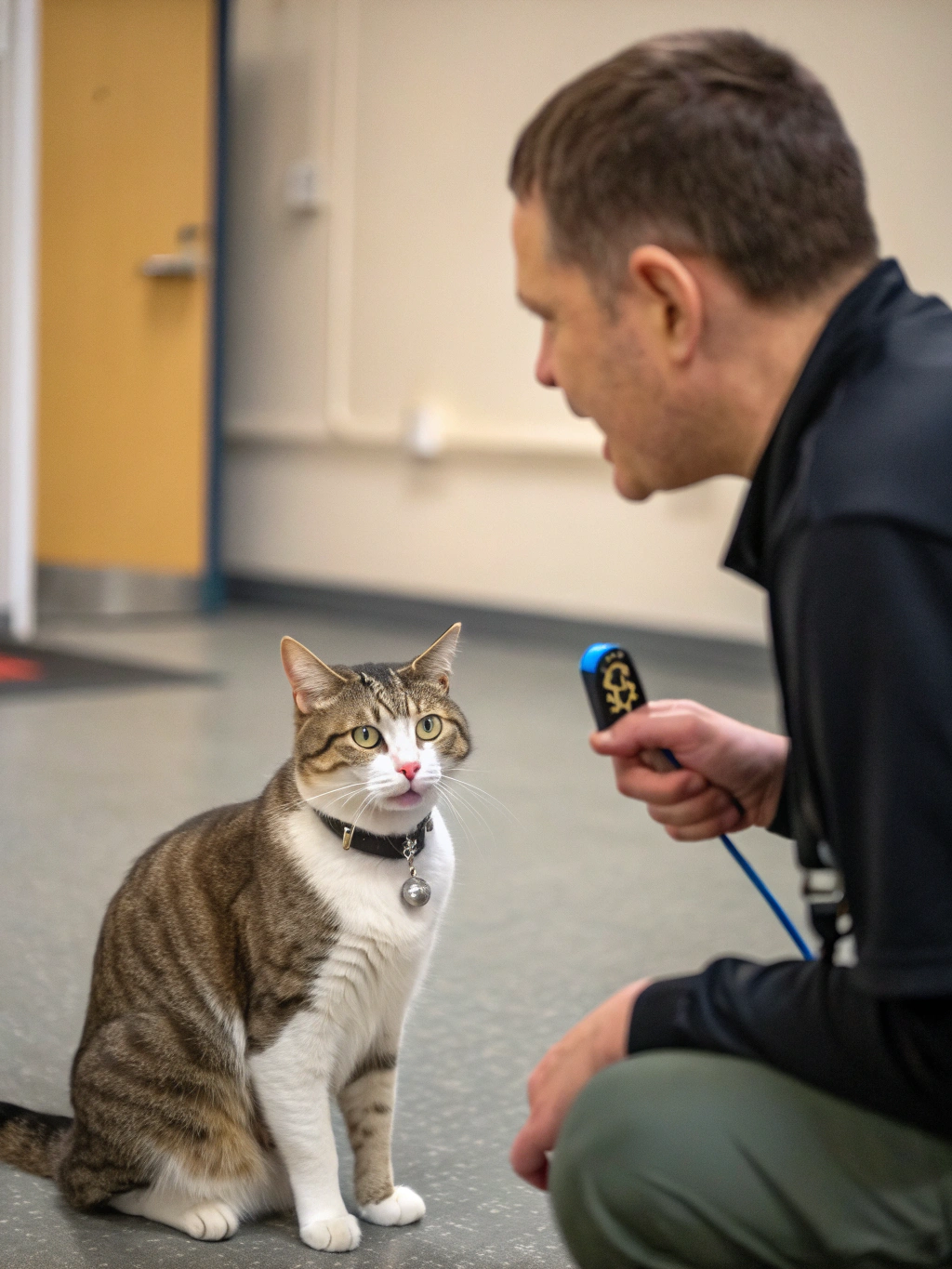
Bringing a cat into your home is a rewarding experience, and understanding how they learn is key to building a strong bond and ensuring their well-being. While often perceived as untrainable, cats are constantly learning from their interactions, and with the right approach, you can teach them essential life skills and even fun tricks. This guide delves into the science behind cat learning, emphasizing the effectiveness and benefits of positive reinforcement methods.
Understanding How Cats Learn
Cats learn through various mechanisms, primarily associative learning, which includes operant conditioning (learning by consequence) and classical conditioning (learning by association with events). Contrary to popular belief, cats are highly trainable, and teaching them skills like entering a carrier, tolerating grooming, or coming when called can significantly improve their quality of life and make veterinary visits much smoother. Dr. Sarah Ellis, head of cat advocacy at International Cat Care, highlights that training equips cats with the necessary skills to coexist with humans, preventing them from struggling in their domestic environment.
For successful training, positive reinforcement is crucial. This involves rewarding desired behaviors to increase their likelihood of occurring again. Food is generally the most effective reward for cats, as they are less motivated by social attention alone. It’s important to use small, calorie-appropriate treats and to adjust your cat’s regular food intake accordingly to prevent weight gain. Dr. Ellis advises breaking down commercial treats into much smaller pieces to serve as effective training rewards.
When training, especially in the initial stages, short, frequent sessions are best to prevent boredom or frustration. Pay attention to your cat’s body language; purring and rubbing indicate they are happy and engaged, while walking away suggests they need a break or a different approach.
Operant Conditioning: Learning Through Consequences
Operant conditioning encompasses four main types of learning:
- Positive Reinforcement: This is the cornerstone of effective and humane cat training. It involves providing a reward, such as a treat or praise, immediately after a desired behavior. This strengthens the association between the behavior and the positive outcome, making the cat more likely to repeat it. For example, rewarding your cat with a treat when they enter their carrier encourages them to do so again.
- Negative Reinforcement: This involves removing an unpleasant sensation when the desired behavior occurs, leading to an increase in that behavior. However, this method is not recommended for animal training due to potential risks to welfare.
- Negative Punishment: This involves withholding something the cat likes to decrease an undesirable behavior. For instance, if a cat bites out of excitement during petting, stopping the petting can decrease the biting behavior. However, it’s crucial to understand the cat’s motivation; if the bite is due to discomfort, withholding attention could be misinterpreted.
- Positive Punishment: This involves adding an unpleasant consequence to decrease a behavior. Examples include spraying a cat with water for jumping on a counter. This method is strongly discouraged, as it can lead to fear, stress, anxiety, and damage the human-animal bond. Research has shown a correlation between the use of positive punishment and increased behavioral problems in cats, such as eliminating outside the litter box or aggression.
Instead of punishment, focus on redirecting unwanted behaviors. For instance, if your cat scratches furniture, provide appealing scratching posts and reward them for using them.
Classical Conditioning: Learning Through Association
Classical conditioning, famously demonstrated by Pavlov’s dogs, involves creating an association between a neutral stimulus and a naturally occurring response. In cat training, this is often used for counter-conditioning, where a cat learns to associate a previously feared stimulus with positive experiences. For example, to make a cat carrier a positive experience, always offer a high-value treat, like tuna, immediately after bringing the carrier out. Over time, the cat will associate the carrier with the delicious treat, reducing fear and anxiety. It’s vital that the positive association is consistent: the carrier must always predict the treat, and the treats must be consistently high-value.
Other Forms of Learning
- Single-Event Learning: Cats can learn from a single, impactful experience, whether positive or negative. A particularly unpleasant vet visit, for instance, might lead to a cat hiding whenever the carrier appears.
- Habituation: This is a process where a cat becomes accustomed to a repeated, non-threatening stimulus, and their response diminishes. For example, a cat may habituate to the sound of a dishwasher.
- Sensitization: The opposite of habituation, where a response to a stimulus becomes stronger over time. This can be a protective mechanism for genuinely dangerous situations but can cause unnecessary stress in a domestic environment.
- Social Learning: Kittens, especially during their sensitive socialization period, learn from observing adult cats and humans. This includes learning tasks more quickly after seeing an adult cat perform them and learning about social interactions.
The Profound Benefits of Training Cats
Training cats offers numerous advantages, fostering a stronger bond between owner and pet and improving the cat’s overall welfare. Teaching life skills such as carrier training can significantly reduce stress during vet visits. Studies have shown that trained cats exhibit less stress, are more cooperative during examinations, and tolerate travel better.
Beyond essential life skills, tricks training provides cognitive enrichment, keeping your cat mentally stimulated and engaged. Research on shelter cats has demonstrated that even shy or frustrated cats can learn tricks, leading to improved well-being, reduced stress, and a greater likelihood of adoption. Implementing training early in a kitten’s life can prevent the development of negative associations with necessary procedures like grooming or medication.
Applying Cat Training Science at Home
When embarking on your cat’s training journey:
- Prioritize Life Skills: Focus on teaching behaviors that enhance your cat’s welfare and your ability to care for them, such as coming when called, entering a carrier, or tolerating grooming.
- Use Positive Reinforcement: Identify high-value treats your cat loves and use them consistently to reward desired behaviors. Remember, cats are motivated by rewards, not by a desire to please in the same way dogs might be.
- Keep Sessions Short and Fun: Aim for brief, engaging training sessions (around five minutes) to maintain your cat’s interest and prevent frustration.
- Avoid Punishment: Never use punishment-based methods, as they can lead to fear, anxiety, and a damaged relationship. Instead, redirect unwanted behaviors and reward appropriate ones.
- Meet Basic Needs: Ensure your cat has outlets for natural behaviors, like scratching posts for scratching, to prevent frustration and undesirable actions.
By understanding and applying these scientific principles, you can create a positive and enriching training experience for your feline companion, strengthening your bond and ensuring a happy, healthy life together.
References:
- Applied Animal Behaviour Science. (Study on carrier training and stress levels in cats).
- Animals. (Study on tricks training for shelter cats).
- Preventive Veterinary Medicine. (Study on training for frustrated shelter cats).
