
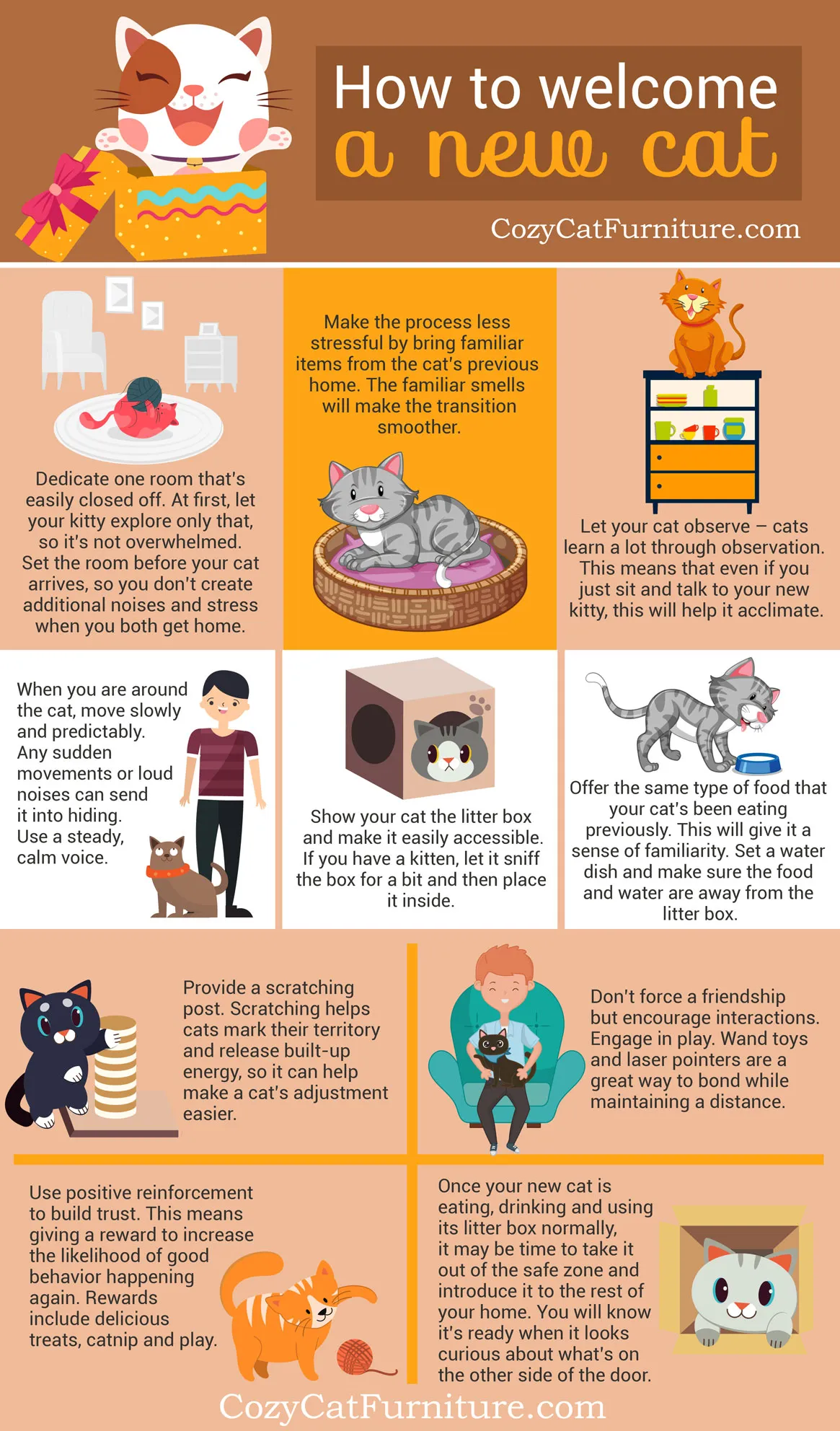
Bringing a new cat home is an exciting time, filled with anticipation of cozy cuddles and playful antics. However, it’s not uncommon for a newly adopted feline to retreat into hiding spots, leaving their new owners wondering what went wrong. This behavior, while concerning, is a natural and healthy response for a cat in an unfamiliar environment. Understanding the reasons behind this hiding and implementing gentle strategies can help your new companion feel safe and loved, transitioning from a shy newcomer to a confident member of your household.
The Natural Instinct to Hide
When cats are in a new or unfamiliar setting, hiding is a normal and instinctive reaction. At the shelter, your cat was likely surrounded by familiar sights, sounds, and the presence of staff who provided care. This familiar territory made them feel secure and aware of potential hiding places if they felt threatened. Upon arriving in your home, everything is new – the smells, the sounds, and the absence of familiar faces. This can trigger their innate need to find a safe haven, often under furniture or in secluded corners, until they assess their surroundings and feel secure.
Patience: The First and Foremost Step
The most crucial element in helping your new cat adjust is patience. Resist the urge to coax them out of their hiding spot or physically drag them into the open. Such actions can increase their fear and anxiety, causing them to withdraw further. Instead, allow them the space and time they need to explore at their own pace. Cats are inherently territorial creatures, and it takes time for them to perceive your home as their own safe territory. This process involves them becoming accustomed to the scents and sounds of your home. You’ll know they’re starting to feel secure when they begin to mark their territory by rubbing their scent glands on furniture and, most importantly, on you. This “head-butt” is a clear sign of affection and acceptance, indicating they consider you part of their safe space.
Identifying and Minimizing Threats
While hiding is normal, prolonged hiding, especially if it prevents your cat from eating, drinking, or using the litter box, warrants attention. Consider potential stressors in your home environment. Are there many visitors or loud children that might be overwhelming your cat? Is the television volume too high, or are there noisy appliances that could be causing anxiety? Even strong or unusual smells can trigger a cat’s flight response. Thoroughly survey your home for anything that might be perceived as a threat and take steps to mitigate it. Ensure that doors are left open and escape routes are always accessible, as cats inherently need to know they can flee if necessary.
Encouraging Positive Interactions
Positive reinforcement is key to building trust and encouraging your new cat to emerge from hiding. Engage them with interactive toys, such as those with dangling elements on a string. These toys allow you to entice your cat to play while maintaining a safe distance, letting them feel in control. Offering high-value treats when they venture out or approach you reinforces the idea that positive interactions with you are rewarding. You can also place treats just outside their hiding spot, rewarding any bravery without rushing them. Remember, if you were feeling scared, you’d likely retreat if someone approached too quickly. Allowing your cat to come to you on their own terms builds confidence and strengthens your bond.
Creating a Safe and Inviting Space
Ensure your cat’s basic needs are easily accessible. If their food and water bowls are in a different room, and your cat is hiding, they may be too fearful to venture out even for sustenance. Consider placing their food, water, and litter box closer to their hiding spot, at least initially. This reduces the distance they need to travel and lessens their anxiety. As they become more comfortable, you can gradually move these resources to their permanent locations. Furthermore, providing a dedicated safe space is essential. This could be a cozy bed in a quiet corner, a comfortable cat carrier, or a designated room. This personal territory will boost their confidence and encourage them to explore the rest of the house. By offering a safe haven filled with comfortable bedding and engaging toys, you provide a secure base from which they can gradually expand their exploration and make your house their true home.
With a little patience, understanding, and consistent positive reinforcement, your new feline companion will soon overcome their initial shyness. The transition from a hidden, timid creature to an affectionate and playful member of your family is a rewarding journey that begins with recognizing and respecting their natural instincts.
