
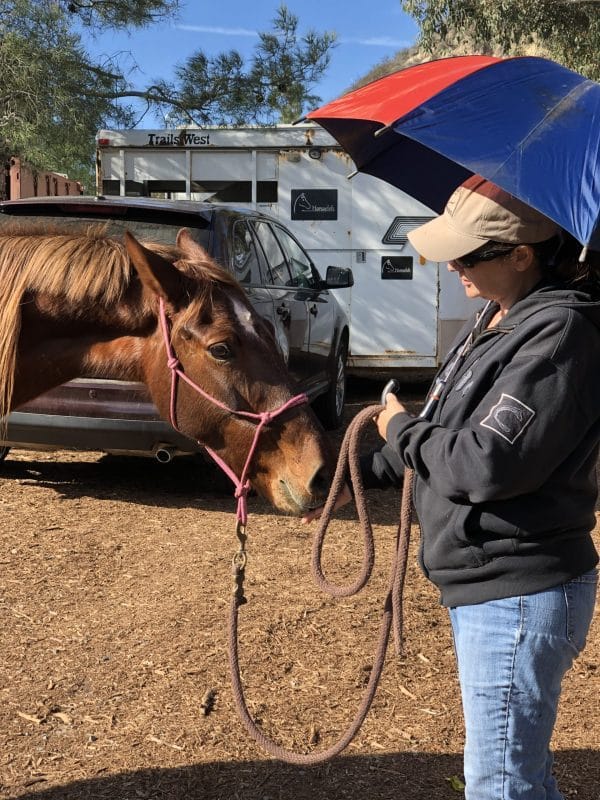
The bond between a horse and human is a delicate dance of trust, communication, and mutual respect. It’s a partnership centuries in the making, built on the premise that kindness and understanding yield far greater results than force. Yet, in the quest for performance and control, the line between firm discipline and outright abuse can become blurred. Understanding and identifying Abusive Horse Training Techniques is not about pointing fingers; it’s about protecting our equine partners and preserving the integrity of our shared passion. It’s a responsibility for every owner, rider, and trainer to ensure the horse’s welfare always comes first.
What Constitutes Abuse in Horse Training?
Abuse in the context of horse training isn’t always as stark as overt physical violence. It’s a spectrum that includes psychological torment, emotional distress, and the use of methods that cause chronic pain or fear. It often stems from a misunderstanding of equine psychology, impatience, or pressure to achieve results quickly.
True horsemanship works with the horse’s nature as a flight animal, building confidence and teaching them to yield to pressure willingly. Abuse, conversely, relies on intimidation and pain to force submission. This approach doesn’t create a willing partner; it creates a horse that is either terrified into compliance or has emotionally shut down, a dangerous state known as “learned helplessness,” where the horse simply gives up trying to escape a painful situation.
Red Flags: Recognizing Abusive Horse Training Techniques
Recognizing abuse requires looking beyond the surface. Certain methods and pieces of equipment, while not inherently abusive, can become so in the wrong hands. It is crucial to watch for training practices that rely on inflicting pain or severe discomfort to achieve a desired outcome.
Physical and Mechanical Abuse
This is the most obvious form of abuse, but it includes more than just striking an animal in anger. It is the systematic use of pain to control behavior.
- Excessive Force: Repeatedly jerking the reins, excessive spurring that breaks the skin or creates “spur dents,” or using a whip or crop out of anger rather than as a specific, timed cue.
- Hang-Tying: Tying a horse’s head up high and tight for prolonged periods to exhaust its neck muscles and force a lower head carriage. This is a dangerous and cruel practice that can cause severe physical and psychological trauma.
- Riding to Exhaustion: Pushing a horse far beyond its physical limits, not for conditioning, but to break its spirit and make it too tired to resist.
- Soring: The intentional application of chemical or mechanical irritants to a horse’s lower legs to force a higher-stepping gait. This is most commonly associated with certain gaited breeds and is illegal and profoundly cruel.
The Controversy of Rollkur (Hyperflexion)
Rollkur, or hyperflexion, is a contentious training technique where the horse’s head is pulled back with extreme force, causing the chin to touch the chest. Proponents claim it enhances suppleness and collection. However, numerous veterinary and welfare organizations condemn it as abusive. The practice severely restricts the horse’s breathing and vision, places immense strain on the neck ligaments and muscles, and induces significant stress. A horse working in a state of fear and physical distress cannot be truly collected or supple.
Psychological and Emotional Abuse
Scars on the mind can be just as damaging as those on the body. Psychological abuse is insidious and often harder to spot. It includes:
- Intimidation: Using aggressive body language, yelling, or creating a constant environment of fear where the horse is afraid to make a mistake.
- Flooding: Overwhelming a horse with a fearful stimulus until it shuts down. For example, trapping a horse in a small space with an object it fears, like a flapping tarp.
- Isolation: Using prolonged social isolation from other horses as a form of punishment, which is highly stressful for a herd animal.
“Brutality might ‘work’ in specific instances, but it doesn’t teach a horse much. When you replace that negative energy with positive energy, it creates a much better learning environment.” – Dr. Sarah Miller, Equine Behavior Specialist
The Horse’s Perspective: Signs of a Troubled Mind and Body
The horse is the ultimate truth-teller. Its body and behavior provide a constant stream of feedback. A horse subjected to abusive methods will display clear signs of physical and emotional distress. It is our job to learn to listen.
Behavioral Signs of Abuse
- Learned Helplessness: The horse appears numb, dull, and unresponsive. It shows little interest in its surroundings and may seem “bombproof,” but it has simply shut down emotionally.
- Extreme Fear or Spookiness: The horse is constantly on edge, overreacting to minor stimuli. This is often a sign of a horse being punished for its natural flight response.
- Aggression: Biting, kicking, charging, or pinning ears are often defensive maneuvers from a horse that has learned to expect pain or fear from humans.
- Avoidance: A horse that is difficult to catch, actively turns away from the handler, or becomes tense and resistant when being tacked up is often communicating a negative association with being ridden.
- Physical Habits: Teeth grinding, tail wringing, head tossing, and weaving are all common indicators of chronic stress.
Physical Signs of Abuse
- Sores in the corners of the mouth, on the tongue, or on the bars of the jaw from harsh bit use.
- Hairless patches or sores on the sides from excessive spurring.
- A consistently tense and sore back, often from ill-fitting tack or being forced into an unnatural frame.
- Unexplained lameness or injuries.
- A dull coat, poor appetite, or weight loss, which can be direct results of chronic stress.
The Ethical Alternative: Building a Partnership on Trust
The good news is that there is a better way. Ethical training is not about being permissive; it is about being clear, consistent, and fair. It focuses on building a partnership where the horse wants to work with you, not because it is afraid, but because it understands the request and trusts the handler.
The Power of Positive Reinforcement
Positive reinforcement (R+) involves rewarding desired behaviors. This can be a scratch on the wither, a moment of rest, or a food reward. This method encourages the horse to think and to actively participate in the training process. Instead of punishing mistakes, ethical trainers reward the smallest tries, shaping behavior gradually and building a foundation of confidence.
Understanding Equine Psychology
Effective trainers understand that horses are not trying to be difficult; they are reacting based on instinct. They learn to read the horse’s subtle body language and adjust their training accordingly. When a horse resists, they don’t escalate the pressure; they ask, “Why?” Is the horse in pain? Is it confused? Is it afraid? The answer to that question guides the training session, turning a moment of conflict into an opportunity for learning.
Frequently Asked Questions (FAQ)
What is the difference between discipline and abuse in horse training?
Discipline in horse training should be immediate, consistent, and proportional to the action. It is a correction, not a punishment, and ends the instant the horse complies (the “release”). Abuse involves anger, excessive force, and methods that cause prolonged pain or fear, often without a clear connection to a specific behavior or a chance for the horse to do the right thing.
Is it ever okay to hit a horse?
While a well-timed tap with a crop on the shoulder or hindquarters can be an effective cue to move forward, hitting a horse in anger or with excessive force is never acceptable. It breaks trust and creates fear, which is counterproductive to any training goal. The key is intent: is it a unemotional, pre-planned cue, or an emotional, angry reaction?
How can I report suspected horse abuse?
If you witness or suspect horse abuse, contact your local animal control, humane society, or law enforcement agency. Provide as much detail as possible, including dates, times, locations, and any photographic or video evidence you may have.
Can a horse recover from abusive training?
Yes, many horses can recover with patience, understanding, and consistent, fair handling from an experienced professional. It can be a long process to rebuild trust and undo fear associations, but it is often possible to help them become willing and confident partners again.
What is “learned helplessness” in horses?
Learned helplessness is a psychological state where a horse stops trying to escape a painful or stressful situation after learning that its efforts are futile. These horses often appear very quiet and “resigned” but are in a state of high stress and emotional shutdown.
Conclusion
The path to true horsemanship is paved with empathy, knowledge, and patience. Rejecting abusive horse training techniques is the first and most critical step. By choosing to listen to our horses, reward their efforts, and work with their nature, we not only become better trainers but also better people. The ultimate goal is not a ribbon or a title, but a genuine partnership with a healthy, happy, and willing equine companion. That is the standard of excellence we should all strive for.
