
The phrase “Absolute Control Dog Training” often conjures images of rigid, domineering methods, but what does it truly mean for the modern dog owner? Is it about creating an obedient robot, or is it about fostering a deep, reliable connection where your dog responds consistently, even in the face of major distractions? This guide delves into the philosophy, techniques, and realities of achieving a level of training that ensures safety, freedom, and a harmonious relationship with your canine companion. It’s not about dominance; it’s about building a foundation of trust so strong that your verbal cues are all the leash you’ll ever need.
True control is a partnership built on clear communication and mutual respect. It’s the confidence of knowing your dog will return to you at the park, ignore a dropped piece of food on the sidewalk, or remain calm when a stranger approaches. This level of obedience doesn’t happen by accident. It requires dedication, understanding canine psychology, and applying consistent training principles. For those seeking a similar level of dedication in their local area, exploring options for dog training nassau county can provide structured guidance. Let’s explore how to move beyond the myth and toward a reality of reliable, off-leash freedom.
What Does Absolute Control Really Mean?
At its core, absolute control is synonymous with reliability. It’s the highest level of obedience where a dog will respond to a command immediately and without hesitation, regardless of the environment. Think of it as the gold standard for safety and responsible pet ownership.
This is particularly crucial for:
- Working Dogs: K9 units, service animals, and herding dogs require this level of training to perform their jobs safely and effectively.
- High-Energy Breeds: Dogs with high prey drives or immense physical strength need clear boundaries and reliable recall to prevent accidents.
- Off-Leash Activities: If you dream of hiking with your dog off-leash, you must have absolute confidence in their recall abilities.
It’s not about breaking a dog’s spirit. On the contrary, a well-trained dog with reliable commands often enjoys more freedom. They can be trusted in more situations, leading to a richer and more fulfilling life for both the dog and the owner.
The Philosophy: Partnership Over Dominance
The old-school mentality of being the “alpha” has largely been debunked by modern canine behaviorists. Today, the focus is on developing a partnership. Absolute control dog training, when approached correctly, is built on a foundation of trust and positive reinforcement.
According to Dr. Sarah Miller, a leading canine behaviorist, “The goal isn’t to command through fear but to lead with confidence. A dog that trusts its handler’s guidance is a dog that will respond reliably, not because it has to, but because it wants to. This bond is the true secret to ‘absolute control’.”
This modern approach uses the dog’s own motivations—food, praise, toys, and play—to build a strong desire to cooperate. While discipline and boundaries are essential, they are established through clear communication and consistency, not physical force or intimidation. The principles involved share common ground with breed-specific strategies, such as those used when training black mouth cur dogs, which also rely on understanding the dog’s innate drives.
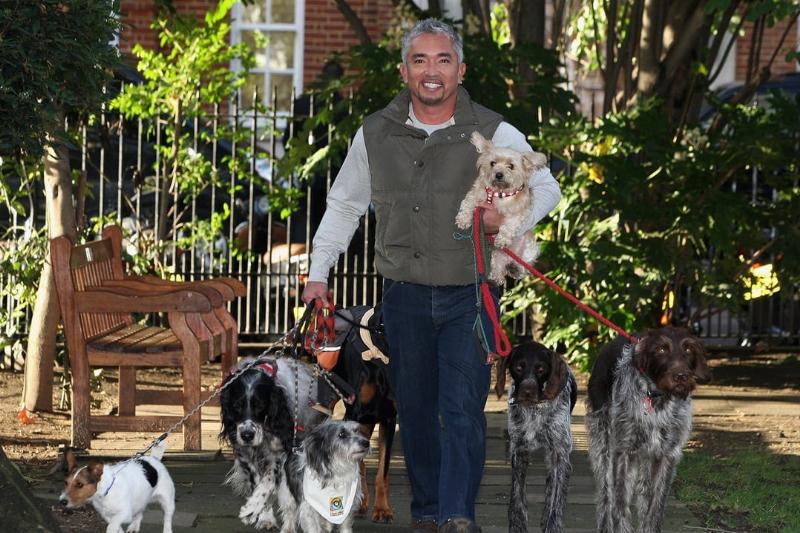 A well-trained golden retriever running joyfully back to its owner in a sunny park, demonstrating the positive results of absolute control dog training.
Core Techniques for Achieving Reliability
Achieving this high level of obedience is a journey that involves layering skills and proofing behaviors in various environments. It’s a marathon, not a sprint. The techniques used can vary depending on the trainer’s philosophy, but they generally revolve around a few key principles.
1. Building a Solid Foundation with Positive Reinforcement
Every complex behavior is built upon a simple one. The journey to absolute control begins with basic obedience cues taught using positive reinforcement.
- Sit, Stay, Down: These are the building blocks of impulse control.
- Leave It: This command is non-negotiable for safety. It teaches your dog to ignore dropped items, which could be dangerous.
- Place: Teaching your dog to go to a specific spot (like a mat or bed) and stay there until released is a powerful tool for managing behavior in the home and in public.
2. The Art of the Reliable Recall
A perfect recall is the cornerstone of absolute control. The “come” command must be the most positive and rewarding word your dog knows.
- Never Punish: Never call your dog to you to punish them. This will poison the cue and make them hesitant to return.
- High-Value Rewards: When training recall, use the best treats, the favorite toy, or the most enthusiastic praise. Make it a party every time they come back.
- Start Small: Practice in a low-distraction environment, like your living room, and gradually increase the difficulty by moving to the yard, a quiet park, and eventually, a more distracting setting.
3. Proofing: Training for the Real World
A dog that listens perfectly in your kitchen may seem to forget everything at the park. This is where proofing comes in. Proofing is the process of practicing behaviors in a variety of locations and with different levels of distractions.
The three Ds of proofing are:
- Duration: Gradually increase how long your dog can hold a “stay” or “place.”
- Distance: Slowly increase the distance from which you give commands.
- Distraction: Introduce distractions systematically. Start with something minor, like another person in the room, and slowly work up to major distractions, like squirrels or other dogs.
This systematic approach is universal, whether you’re working with a new puppy or learning how to train a doberman dog, a breed known for its intelligence and need for clear leadership.
The Role of Training Tools
In the world of dog training, tools are a subject of heated debate. When it comes to absolute control dog training, various tools may be employed, but their effectiveness depends entirely on the handler’s skill, timing, and fairness.
Balanced Training and E-Collars
Some trainers who specialize in off-leash reliability and absolute control use a “balanced” approach. This means they use positive reinforcement to teach behaviors and introduce a form of aversive (like a verbal correction, leash pressure, or an e-collar) to create clear boundaries for unwanted behaviors.
Modern e-collars are not the “shock collars” of the past. They operate on a low-level stimulation, often a vibration or a muscle-stimulation sensation similar to a TENS unit used in physical therapy. In the hands of a skilled professional, an e-collar is used to provide a clear, non-emotional correction or a subtle cue from a distance—essentially a long-distance “tap on the shoulder.”
However, it is crucial to understand that these are advanced tools. Used improperly, they can cause fear, anxiety, and damage the dog-handler relationship. If you are considering this path, it is vital to seek guidance from a certified and experienced professional, like those you might find when searching for dog training merced ca.
Is Absolute Control Dog Training Right for You?
Pursuing this level of training is a significant commitment. It’s not a weekend project; it’s a lifestyle of consistency and continuous practice. Before you embark on this journey, ask yourself a few questions:
- What are my goals? Do you need the reliability of a working dog, or do you simply want a well-behaved companion that walks nicely on a leash and comes when called in the yard?
- What is my dog’s temperament? A sensitive or fearful dog may not respond well to high-pressure training methods, while a confident, high-drive dog might thrive with the structure it provides.
- Am I willing to be consistent? This training requires daily reinforcement. Every interaction with your dog is a training opportunity.
For most pet owners, achieving a high level of reliable obedience is more than enough. You don’t need a dog that performs with military precision to have a wonderful companion. The principles of building a strong bond, using positive reinforcement, and being consistent are universal. Whether you are looking for local programs like dog training newnan ga or applying these techniques on your own, the foundation remains the same.
Conclusion: Redefining Control as Connection
Ultimately, absolute control dog training is not about having absolute power over a dog. It’s about building an absolute connection. It’s a language of trust and clear communication that transcends leashes and fences. When your dog looks to you for guidance in a chaotic world, and you can provide that guidance with a simple, quiet word, you have achieved something far more profound than mere obedience. You have cultivated a true partnership. This journey requires patience and understanding, but the resulting bond—and the freedom it affords both you and your dog—is an incredible reward.
Frequently Asked Questions (FAQ)
1. Is absolute control dog training humane?
When done correctly using modern, science-based methods, it is absolutely humane. The focus should be on building a strong relationship through positive reinforcement and clear communication. The goal is a willing partner, not a fearful subordinate. Any method that relies on pain or intimidation is outdated and harmful.
2. How long does it take to achieve this level of training?
There is no set timeline. It depends on the dog’s age, breed, temperament, and past experiences, as well as the handler’s consistency and skill. It’s a continuous process, but significant progress in reliability can often be seen within a few months of dedicated training.
3. Can I achieve this without using tools like e-collars?
Yes, it is possible to achieve a very high level of reliability using only positive reinforcement methods. It may require more time and creativity to “proof” behaviors against high-level distractions, but many trainers and owners are successful without ever using aversive tools.
4. What is the most important command in absolute control training?
While all commands are important, a 100% reliable recall (“come”) is arguably the most critical. It is a life-saving command that allows a dog to have off-leash freedom safely and can prevent countless accidents.
5. Can any dog achieve absolute control?
While most dogs can achieve a very high level of obedience, individual temperament and genetics play a role. Some breeds are naturally more independent or have a higher prey drive, which can make off-leash reliability more challenging—though not impossible—to attain. The key is to work with the dog in front of you and set realistic goals.
