
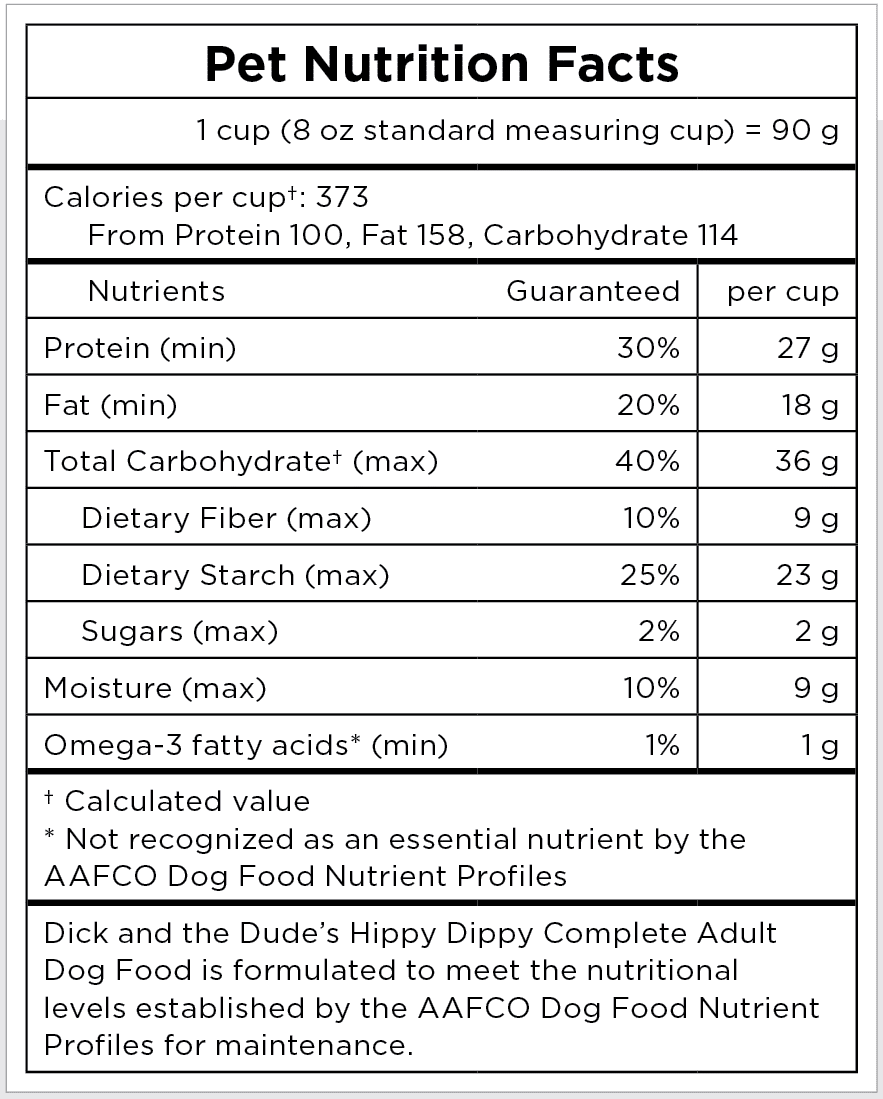
Choosing the right food for your beloved dog or cat can be a daunting task, with numerous factors to consider. However, one point of consensus among veterinarians is the critical importance of selecting AAFCO-compliant pet food. But what exactly is AAFCO, and what does it mean for your pet’s food to be AAFCO-certified? This guide aims to demystify AAFCO-approved dog and cat food, explaining the significance of the AAFCO statement on packaging and why it’s crucial for your pet’s health.
The Association of American Feed Control Officials (AAFCO) is a private, non-profit organization composed of officials responsible for regulating the sale and distribution of animal feeds, including pet foods. AAFCO establishes ingredient definitions and sets the nutritional requirements for pet foods. Individual states often adopt these recommendations to form their own pet food regulations.
The Significance of the AAFCO Statement
The AAFCO statement found on pet food labels serves as a vital indicator of the food’s nutritional completeness and balance for a specific life stage. It confirms whether the food contains all essential nutrients, the method used to determine this (feeding trials or laboratory analysis), and for which life stage the food is intended.
Pet foods are categorized for two main life stages:
- Adult maintenance: Formulated for adult dogs and cats.
- Growth and reproduction: Designed for puppies and kittens, as well as pregnant or lactating females.
A notable addition to puppy food guidelines addresses large-breed puppies. These puppies experience rapid growth that can increase their risk of developmental orthopedic diseases (DOD). Feeding a puppy food specifically formulated for large breeds can help mitigate this risk.
For a pet food to be marketed as “complete and balanced” for a particular life stage, it must meet or exceed the nutritional adequacy standards set by AAFCO. Products that do not meet these standards must be labeled “for intermittent or supplemental feeding only” and should not form the primary diet for your pet. Similarly, snacks and treats are exempt from requiring an AAFCO designation.
Popular brands that offer AAFCO-compliant dog and cat food include Hills®, Eukanuba™, Purina®, and Royal Canin®.
The Role of AAFCO, FDA, and Testing Procedures
It’s important to understand that AAFCO does not directly test, regulate, approve, or certify pet foods. Instead, they provide the guidelines and standards. Pet food companies are responsible for ensuring their products meet these guidelines, often through third-party testing agencies.
AAFCO’s guidelines for pet food labels are comprehensive, covering:
- Product and brand name
- Species of animal the food is intended for
- Net quantity
- Guaranteed analysis
- Ingredient list
- Nutritional adequacy statement
- Feeding directions
- Manufacturer’s name and location
The Food and Drug Administration (FDA) plays a role in ensuring the safety and intended purpose of pet food ingredients. While substances like meat, poultry, and grains are generally safe, others like vitamins and preservatives are regulated based on their intended use. The FDA also oversees specific claims that dog foods can make, such as “low magnesium.”
To substantiate their claims of providing complete and balanced nutrition, pet food companies typically employ one of two testing procedures:
Feeding Trials
These trials involve both laboratory analysis and actual feeding of the food to a designated group of animals. The AAFCO has specific protocols for these trials, outlining the minimum number of animals, duration, veterinary examinations, and clinical observations, including weight and blood tests. For instance, adult maintenance feeding trials for dogs require a minimum of eight healthy dogs, at least one year old, observed over 26 weeks. Foods that successfully pass these trials will bear a statement indicating that “Animal feeding tests using AAFCO procedures substantiate that (name of food) proves complete and balanced nutrition for (life stage).”
Laboratory Analysis
Alternatively, companies can verify nutrient levels through laboratory analysis. The AAFCO publishes specific dietary nutrient requirements for dogs and cats based on life stages. If a laboratory analysis confirms that the food meets these nutrient profiles, the label will state, “(Name of food) is formulated to meet the nutritional levels established by the AAFCO (Dog/Cat) Food Nutrient Profiles for (life stage).”
AAFCO Nutrient Profiles
The AAFCO outlines detailed nutrient profiles for both dogs and cats, broken down by life stage. These profiles specify minimum percentages for macronutrients like protein and fat, as well as lists of essential minerals and vitamins.
For dogs, the profiles include:
- Growth and Reproduction: Protein (22.5%), Fat (8.5%), and specific requirements for Calcium, Phosphorus, Potassium, Sodium, Chloride, Magnesium, Iron, Copper, Manganese, Zinc, Iodine, Selenium, Vitamin A, D, E, Thiamine, Riboflavin, Pantothenic Acid, Niacin, Pyridoxine, Folic Acid, Vitamin B12, and Choline.
- Adult Maintenance: Protein (18%), Fat (5.5%), with similar mineral and vitamin requirements.
For cats, the profiles are:
- Growth and Reproduction: Protein (30%), Fat (9%), and specific requirements for minerals and vitamins including Vitamin K.
- Adult Maintenance: Protein (26%), Fat (9%), with similar mineral and vitamin requirements.
Frequently Asked Questions about AAFCO
What does it mean to be AAFCO-certified?
Being AAFCO-certified signifies that a pet food has met the nutritional standards established by the AAFCO, either through feeding trials or laboratory analysis, and is complete and balanced for a specified life stage.
What is the 3% rule for the AAFCO?
The AAFCO’s “3% rule” states that if a pet food lists more than one ingredient, each named ingredient must constitute at least 3% of the total product by weight. For example, “dog food with beef” must contain at least 3% beef.
Is the AAFCO trustworthy?
Yes, the AAFCO is a trustworthy organization that sets science-based nutritional standards used by states to regulate pet food labels. Pet owners can rely on these guidelines to choose appropriate food for their pet’s species, lifestyle, and health condition.
How do I know if my dog food meets AAFCO standards?
Always look for the nutritional adequacy statement on the back or side of the pet food packaging. This statement will clearly indicate if the food is formulated to meet AAFCO standards for a specific life stage.
