
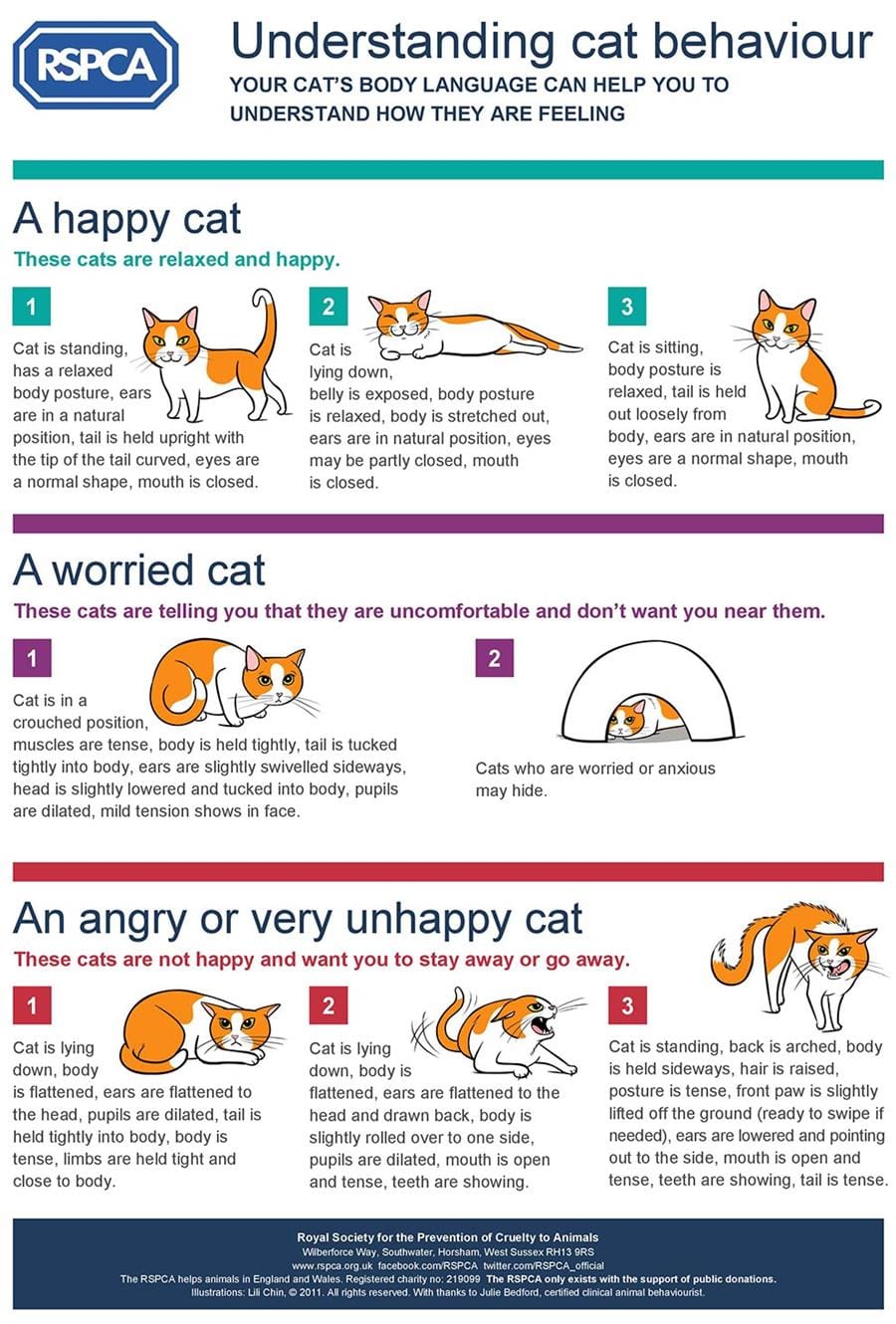
Cats, with their independent spirit and mysterious ways, often leave their human companions wondering about their peculiar actions. From playful bursts of energy to unusual sleeping habits, understanding these behaviors is key to a happy and healthy relationship with your feline friend. This guide delves into common cat behaviors, explaining their potential meanings and offering advice on when to consult a veterinarian.
1. The Zoomies: Unexplained Bursts of Energy
It’s common for cats, especially kittens, to suddenly dart around the house, leap onto furniture, and engage in what owners affectionately call “the zoomies.” This behavior is often an expression of pent-up energy and can sometimes be triggered by catnip, leading to a temporary state of playful frenzy. While this vigorous activity is generally normal, it’s crucial to ensure your home environment is safe. Removing potential hazards, securing windows to prevent falls (which can lead to “high-rise syndrome” with injuries like broken jaws or fractured ribs), and providing ample opportunities for play are essential. Interactive toys and games like fetch can help channel this energy productively. If the zoomies become disruptive, consulting your veterinarian can provide further guidance.
2. Head Bumping: A Sign of Affection
When your cat gently bumps their head against you, it’s a profound expression of love and ownership. Cats have scent glands in their cheeks that release pheromones, marking you as part of their territory. This is their way of saying “I love you” and claiming you as their own. Don’t be concerned if your cat doesn’t exhibit this behavior; many other unique ways cats show affection.
3. Chattering: The Sound of Anticipation
Hearing your cat chatter while watching birds outside is a common occurrence. This unique sound often stems from a combination of excitement at the sight of potential prey and the frustration of being unable to reach it. Beyond chattering, cats communicate through a variety of other vocalizations, including chirps, yowls, and even hacking sounds, each conveying different meanings and emotions.
4. Chewing on Unusual Items: A Cause for Concern
Some cats develop a habit of chewing on non-food items such as blankets, socks, plastic bags, or rubber bands. This behavior can be attributed to various factors, including boredom, anxiety, underlying illnesses, or even residual nursing urges from being weaned too early. This habit poses significant risks, including choking hazards and intestinal blockages. If your cat engages in chewing inedible objects, a veterinary consultation is strongly recommended to identify the cause and establish an appropriate treatment plan.
5. Seeking Tight Spaces: The Comfort of Enclosure
Cats often seek out small, enclosed spaces like boxes, drawers, or closet corners to sleep. This preference for tight spots can be traced back to their wild ancestors, who relied on hidden refuges for safety from predators. These cozy nooks provide a sense of security and comfort, often preferred over even the most luxurious pet beds.
6. Bringing “Gifts”: An Expression of Gratitude
The act of a cat bringing you their “gifts,” such as dead mice or birds, is their way of expressing gratitude and sharing their successful hunt with you. While it might seem unpleasant, it’s a sign of affection. It’s best not to scold or overly praise this behavior, as it can inadvertently reinforce it. Keeping your cat indoors, as recommended by organizations like the ASPCA, can help reduce their hunting opportunities and protect them from diseases and parasites.
7. The Art of Ignoring: Needing Personal Space
Cats are known for their independence, and sometimes they simply need their personal space. If your cat seems to be ignoring you, it’s likely not a personal slight. They are probably just seeking some alone time. It’s best to respect their need for solitude, and they will typically seek you out for attention when they are ready.
8. Kneading: A Remnant of Kittenhood
Kneading, the rhythmic pushing of paws against a soft surface, is a behavior that often dates back to a cat’s kittenhood. Kittens knead their mother’s belly to stimulate milk flow. In adult cats, it’s often associated with feelings of contentment and relaxation. While usually harmless, if your cat’s claws become an issue during kneading, regular nail trimming can help manage this.
9. Knocking Things Over: Attention-Seeking and Exploration
Cats may knock objects off surfaces, such as books or picture frames, as a way to explore their environment or to get your attention. Their sensitive paws are adept at investigating objects, much like they would with prey. To discourage this behavior, it’s advisable to ignore it when it happens and to keep valuable or breakable items out of reach.
10. Nibbling on Plants: Curiosity and Discomfort
Cats nibble on plants for various reasons, including an upset stomach, comfort-seeking, curiosity, or a desire for attention. However, this can be dangerous if the plants are toxic, such as lilies or daffodils. Ensure any plants in your home are cat-safe and strategically placed to prevent them from being knocked over, which can cause injury and a mess. Potting soil can also harbor parasite eggs, so consider sterilized soil or keeping plants out of reach.
11. Litter Box Aversion: More Than Just a Mess
When a cat consistently eliminates outside the litter box, it’s a clear sign that something is amiss. Several factors can contribute to this behavior, including a dirty litter box, inconvenient location, or an insufficient number of boxes (the general rule is one box per cat, plus an extra). Older cats may struggle with high-sided litter boxes. Medical issues, such as urinary tract infections, can also cause litter box problems. If the issue persists, a veterinary examination is essential to rule out underlying health conditions.
12. Drinking from the Faucet: An Instinctual Preference
Some cats prefer drinking running water directly from a faucet. This behavior may stem from their wild ancestors’ instinct to seek out fresh, flowing water sources over stagnant ones, which are more prone to contamination. If your cat’s faucet-drinking is manageable, it’s generally not a concern. However, if it becomes excessive, consider providing a continuously running pet fountain as an alternative.
13. Laptop Napping: The Warmth and Attention Factor
Your cat choosing your laptop as a napping spot might be due to the generated warmth or as a clever tactic to gain your attention. Laptops provide a cozy, heated surface, and cats are masters at figuring out how to get their humans to engage with them.
14. Nocturnal Activity: When Sleep Schedules Differ
Some cats exhibit a reversed sleep schedule, being active at night and sleeping during the day. This can be due to insufficient stimulation during daylight hours or an inherited instinct from their ancestors who hunted in low light. To manage this, ensure your cat has plenty of engaging toys and activities during the day. Offering a small meal before bedtime can also promote sleepiness. If your cat is excessively vocal or appears to be in pain at night, consult your veterinarian.
Seeking Veterinary Guidance for Behavioral Issues
While many cat behaviors are endearing or simply quirky, persistent issues like nocturnal activity or litter box avoidance can be problematic. While home remedies can address some common behavior challenges, it is always best to consult your veterinarian if you have any questions or concerns. They can help diagnose underlying medical conditions and provide tailored advice for managing behavioral issues, ensuring your cat’s overall well-being.
