
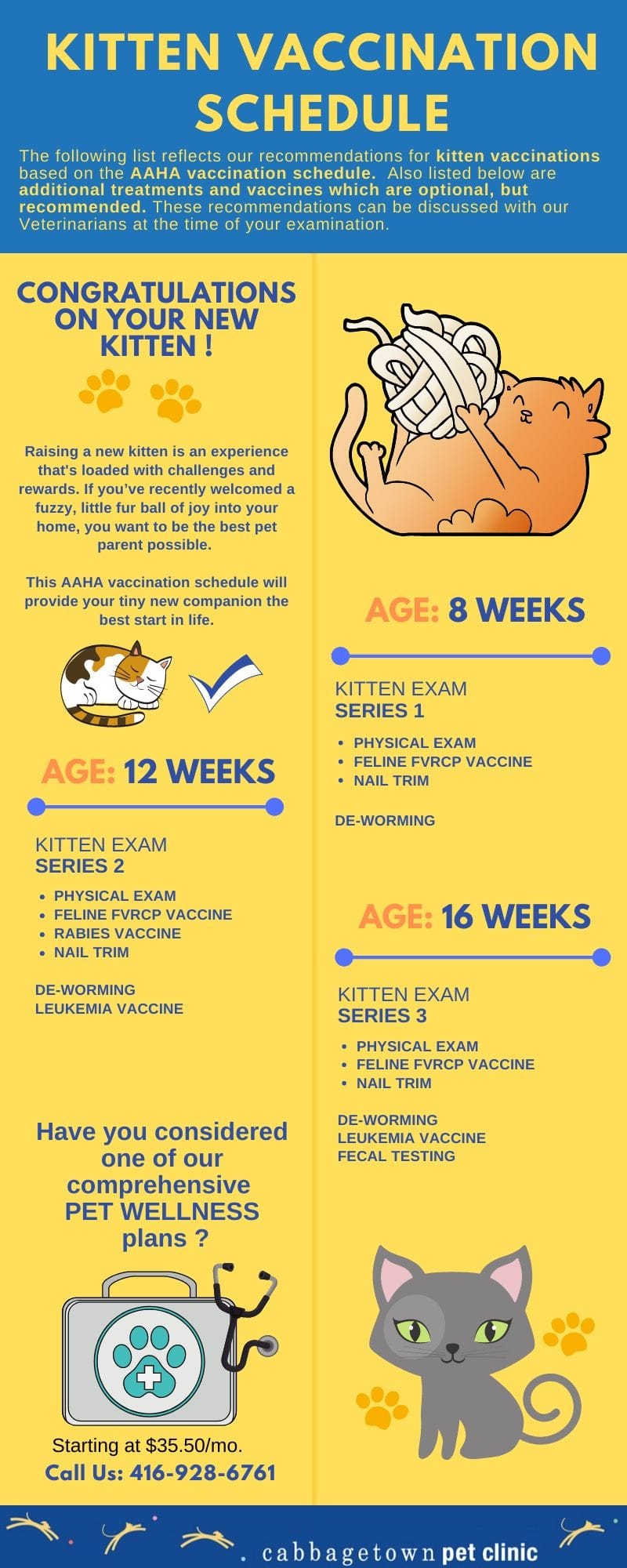
As your kitten blossoms into a young cat, providing the right nutrition, consistent healthcare, and understanding their behavior are paramount for their healthy development. This guide offers essential insights into feeding, veterinary care, dental hygiene, and managing common behavioral issues to ensure your feline companion thrives from kittenhood to adulthood.
Nutrition for a Healthy Start
By six months of age, your kitten’s food preferences are often established, making it crucial to introduce them to a high-quality, natural, and nutritionally balanced diet early on. Offering a variety of wet and dry food formulas in different flavors, served three times a day, will cater to their developing palate and ensure they receive comprehensive nourishment.
Feeding Tips for Kittens:
- Leftovers: Discard any uneaten canned food left out for more than 30 minutes to maintain freshness and hygiene.
- Dry Food: Dry kitten food can be left accessible throughout the day as it does not spoil quickly and kittens tend to eat it in moderation.
- Prevent Dog Food Theft: Ensure your kitten’s food is kept out of reach of any canine housemates to prevent them from consuming dog food.
- Water Access: Always provide fresh, clean water, and make it a habit to wash and refill the water bowl daily.
- Milk Myth: Avoid offering cow’s milk, as cats have difficulty digesting it, which can lead to diarrhea. Water is the best hydration source.
- Treats in Moderation: While treats are useful for reinforcing good behavior, they should not constitute more than 5% of your kitten’s daily caloric intake.
Ongoing Veterinary Care and Health Monitoring
Regular veterinary visits are essential for your kitten’s well-being. By six months of age, female kittens should be spayed and male kittens neutered to prevent unwanted pregnancies and address potential health issues. Your veterinarian can also advise on specialized diets that may help prevent or manage Feline Lower Urinary Tract Disease (FLUTD), a common condition affecting both male and female cats.
Signs of potential FLUTD include:
- Increased frequency of litter box visits.
- Presence of blood in the urine.
- Straining or vocalizing during urination.
- Inability to urinate, appearing constipated.
Maintaining Healthy Dental Hygiene
Just as in humans, a kitten’s temporary teeth are eventually replaced by adult teeth. While your veterinarian will perform regular dental checks, consistent home dental care is vital. Signs of more serious dental problems, such as a strong mouth odor, loss of appetite, or your kitten pawing at its mouth or face, require prompt veterinary attention.
Tips for Brushing Your Kitten’s Teeth:
- Early Introduction: Allow your kitten to play with a pet toothbrush to create positive associations.
- Gradual Acclimation: Let your kitten lick tuna water or chicken broth from your finger as you gently rub their teeth and gums.
- Specialized Toothpaste: Progress to using pet-specific toothpaste on your kitten’s own toothbrush, focusing on the gum line.
- Alternative Dental Aids: Consider specialized dry food, dental treats, and toys designed to promote oral health.
Understanding and Managing Kitten Behavior
Aggressive behavior in kittens can sometimes signal an underlying illness or injury, making a veterinary consultation important. Stress can also be a contributing factor. If you notice escalating aggression, your kitten may have pent-up energy that needs to be channeled through playful exercise.
When redirecting aggression, especially during play with other pets, a calm clap or a loud noise can help regain their attention. Pay close attention to your kitten’s body language to understand when they are uncomfortable or becoming agitated.
Signs of an Anxious or Annoyed Kitten:
- Constricted pupils and ears held back.
- Tail held high with fur raised along the shoulders.
- Tail swishing or thumping against the floor.
- Tail wrapped tightly around the body, sitting rigidly.
- Stiff legs and a raised hindquarters indicating readiness for conflict.
Always consult your veterinarian if negative behaviors persist without improvement. Exploring further resources on kitten development can provide deeper insights into their evolving needs.
