
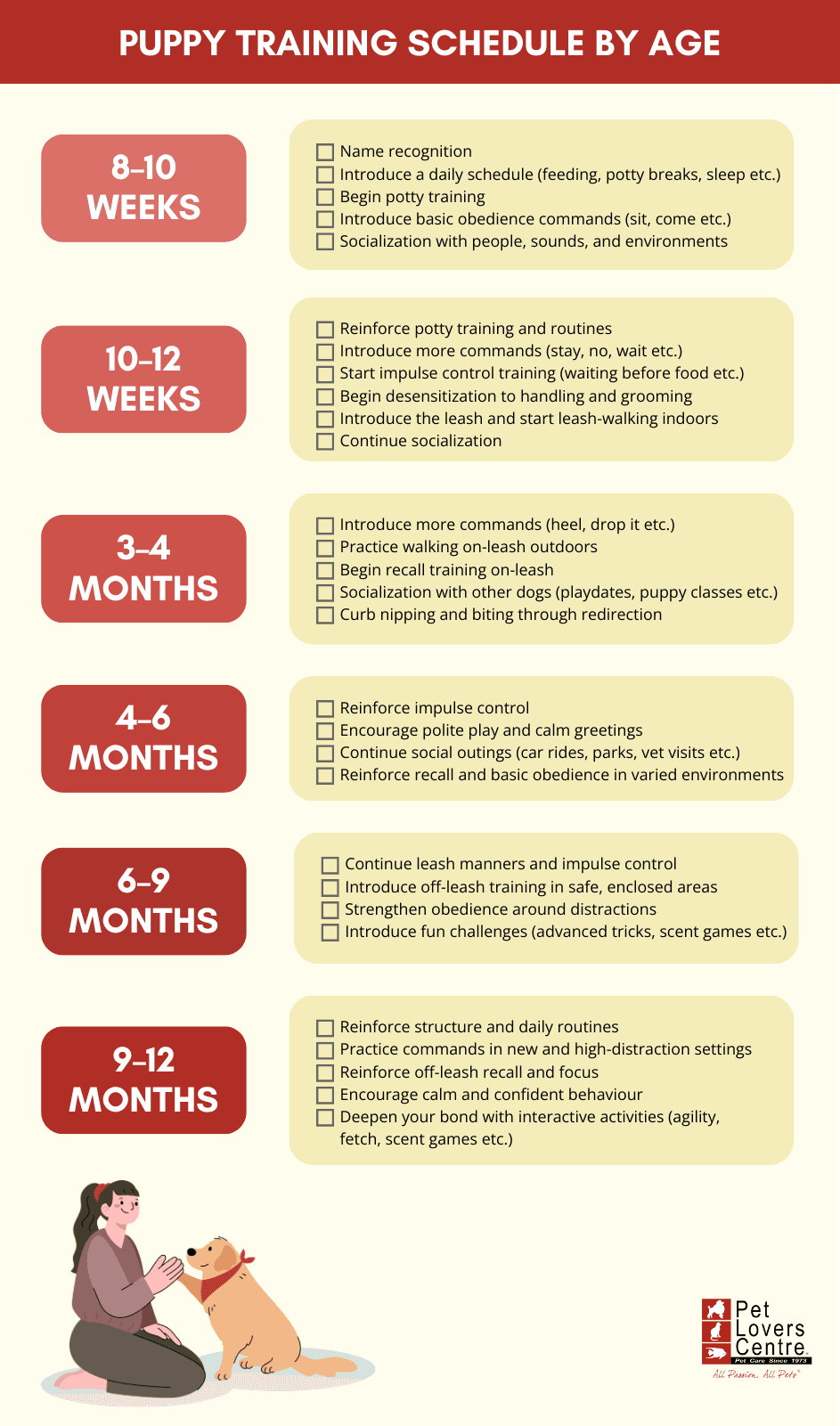
Bringing a puppy into your home is an incredibly rewarding experience, but it also comes with significant responsibilities. As your furry friend enters the six-month mark, they’re transitioning from a playful pup to a young adult dog. This is a crucial period for continued training and socialization, laying the foundation for a well-behaved and happy canine companion throughout their life. This comprehensive guide will delve into the specifics of 6 Month Old Dog Training, offering insights, actionable tips, and a deeper understanding of your dog’s developmental stage.
Understanding Your 6-Month-Old Puppy: A Developmental Leap
At six months, your dog is likely experiencing a growth spurt and undergoing hormonal changes, which can sometimes manifest as a slight regression in training. This is perfectly normal. Think of it as their teenage phase – they might test boundaries, become a little more distractible, or seem to “forget” commands they once knew well.
Key Developmental Changes at Six Months:
- Physical Growth: Many breeds will be close to their adult size, though some larger breeds will continue to grow. Their coordination might still be developing.
- Cognitive Development: They are more capable of complex learning and problem-solving. Their attention span is increasing, but still shorter than an adult dog’s.
- Social and Emotional Maturity: They are becoming more independent, and their interactions with other dogs and people are becoming more nuanced. They might exhibit more pronounced signs of adolescence, like increased reactivity or assertiveness.
- Energy Levels: Most six-month-old dogs have ample energy and require consistent outlets for physical and mental stimulation.
The Importance of Consistent Training
This developmental stage is precisely why consistent 6 month old dog training is paramount. It’s not about starting from scratch, but rather reinforcing existing commands, introducing new skills, and managing adolescent behaviors. Your consistent efforts now will pay dividends for years to come.
Core Training Pillars for Your 6-Month-Old Dog
Focus on reinforcing the basics while gently introducing new challenges. The goal is to build upon what your puppy has already learned, ensuring they are confident and reliable in various situations.
1. Reinforcing Basic Obedience Commands
Commands like “sit,” “stay,” “come,” “down,” and “leave it” should be second nature by now. However, adolescence can bring distractions.
Practice Makes Perfect: Advanced Stays and Recalls
- Longer Stays: Gradually increase the duration of “stay” commands. Start with a few seconds and build up to a minute or more, while you move further away. Reward generously for successful holds.
- Distraction Training for Stays: Practice “stay” in increasingly distracting environments. This could be in your backyard with toys present, or even a quiet park.
- Recall in New Environments: Your recall (“come”) command is a life-saving skill. Practice it in different, safe environments with increasing distractions. Always reward a successful recall with high-value treats and praise. Never punish your dog for coming to you, even if they were doing something they shouldn’t have been. This is where understanding how long to train a service dog can offer valuable insights into consistent reinforcement.
“Leave It” and Impulse Control
This command is vital for preventing your dog from picking up dangerous items or fixating on distractions.
- Advanced “Leave It”: Progress from leaving treats on the floor to leaving toys or even food bowls unattended. The key is to reward them for disengaging.
- Impulse Control Games: Games like “wait” before eating, or waiting for a toy to be thrown, help build crucial self-control.
2. Leash Manners: Walking with Confidence
A six-month-old dog should ideally be comfortable walking on a leash without pulling. If your dog still pulls, this is the time to refine those skills.
Addressing Leash Pulling:
- “Be a Tree” Method: When your dog pulls, stop walking immediately. Only resume when the leash slackens. This teaches them that pulling stops the fun.
- Reward Loose Leash: Positively reinforce moments when the leash is slack. Give treats and praise when they walk nicely beside you.
- Practice in Different Locations: Leash walking in your quiet living room is different from walking in a busy park. Gradually expose your dog to more stimulating environments.
3. Socialization: Navigating the Canine World
While the critical socialization window is typically earlier, continued positive exposure is essential for a well-adjusted dog.
Safe and Positive Interactions:
- Controlled Playdates: Arrange playdates with known, well-behaved adult dogs or calm, vaccinated puppies. Ensure interactions are supervised and positive.
- Exposure to New Environments: Safely introduce your dog to various sights, sounds, and surfaces. This could include car rides, visiting pet-friendly stores (if vaccinated), or walking on different textures.
- Continue Exposure to People: Ensure your dog continues to have positive interactions with a variety of people of different ages, appearances, and gaits.
4. Introducing New Skills and Tricks
Once the basics are solid, you can start introducing more complex commands or fun tricks. This keeps their minds engaged and strengthens your bond.
Fun and Engaging Activities:
- “Fetch” and “Drop It”: Refine fetch by ensuring your dog reliably drops the toy on command.
- Trick Training: Teach fun tricks like “shake a paw,” “roll over,” or “play dead.” These are excellent for mental stimulation and can be tailored to your dog’s abilities. This is similar to how long to train a service dog, where specific behaviors are taught and refined.
Addressing Common Adolescent Challenges
The adolescent phase can present unique behavioral challenges. Understanding these and responding with patience and consistency is key.
1. Jumping Up
This is a common behavior as dogs explore their environment and greet people.
How to Discourage Jumping:
- Ignore the Behavior: Turn away or step back when your dog jumps. Only give attention when all four paws are on the floor.
- Reward Calm Greetings: Actively reward your dog when they greet people calmly, without jumping.
- Teach an Alternative Behavior: Train your dog to “sit” for greetings. This provides them with an acceptable way to interact.
2. Nipping and Mouthing
While puppies naturally explore with their mouths, excessive nipping needs to be managed.
Managing Nipping Behavior:
- “Ouch” Method: If your puppy nips too hard during play, yelp loudly (“Ouch!”) and briefly withdraw attention. This mimics how littermates communicate.
- Provide Appropriate Chew Toys: Ensure your puppy has plenty of suitable chew toys to redirect their chewing instincts.
- Redirection: If you catch your puppy starting to mouth inappropriately, redirect their attention to an appropriate chew toy.
3. Destructive Chewing
Boredom, anxiety, or teething can lead to destructive chewing.
Preventing Destructive Chewing:
- Provide Ample Exercise and Mental Stimulation: Ensure your dog is getting enough physical activity and mental engagement throughout the day. This is why dog training frederick md programs often emphasize energy outlets.
- “Puppy-Proof” Your Home: Remove tempting items and secure valuable belongings.
- Use Bitter Sprays: For specific items you want to protect, use pet-safe bitter sprays.
- Consistent Training: Reinforce commands like “leave it” and “drop it.”
Training Tools and Techniques for Success
Choosing the right tools and techniques can make a significant difference in your 6 month old dog training journey.
Positive Reinforcement
This is the most effective and humane training method. It involves rewarding desired behaviors to increase their likelihood of recurring.
- High-Value Rewards: Use treats your dog absolutely loves – small pieces of cooked chicken, cheese, or commercially available training treats.
- Praise and Affection: Verbal praise (“Good boy/girl!”) and gentle petting can also be powerful reinforcers.
- Timing is Key: Reward the desired behavior immediately as it happens.
Clicker Training
A clicker can be an excellent tool for precise communication. The click sound marks the exact moment your dog performs the desired behavior, followed immediately by a reward.
Leash and Harness Choices
- Standard Leash: A 4-6 foot leash is ideal for most training situations.
- Harnesses: Front-clip harnesses can be very effective for dogs that pull, as they redirect the dog’s momentum back towards you. For specific needs, consider resources on how long to train a service dog, as equipment selection is critical.
Managing the Environment
Sometimes, the easiest way to prevent unwanted behavior is to manage your dog’s environment. This might mean using baby gates to restrict access to certain areas or crating your dog when unsupervised.
Integrating Training into Daily Life
The most effective training happens organically throughout the day.
Mealtime Training
- “Wait” for Food: Ask your dog to “sit” or “stay” before you place their food bowl down.
- Distribute Food in Puzzle Toys: This provides mental stimulation and slows down fast eaters.
Playtime Integration
- Fetch and Tug: Use games to practice “drop it” and “leave it.”
- Obstacle Courses: Create simple agility courses in your backyard to work on commands and physical coordination.
Structured Walks
- Focus on Leash Manners: Make walks a training opportunity, not just an exercise session.
- Practice Recalls: If in a safe, enclosed area, practice recalls.
When to Seek Professional Help
While most training can be managed at home, there are times when professional guidance is invaluable.
Signs You Might Need a Trainer:
- Persistent Aggression: Growling, snapping, or biting behaviors.
- Severe Anxiety or Fear: Separation anxiety, phobias, or extreme fearfulness.
- Lack of Progress: You’ve been consistent, but aren’t seeing improvement.
- Complex Behavioral Issues: Issues that feel overwhelming or beyond your ability to manage.
Look for certified professional dog trainers (CPDT-KA or similar) who use positive reinforcement methods. Resources for dog training cedar park tx or dog training blaine mn can help you find local experts.
Conclusion: Your Journey with a Well-Trained Dog
Training a six-month-old dog is a continuous journey of building communication, trust, and a strong bond. By understanding their developmental stage, applying consistent positive reinforcement, and managing challenges with patience, you are well on your way to raising a well-behaved, happy, and cherished member of your family. Embrace this exciting phase of 6 month old dog training; your efforts today create the canine companion of tomorrow.
