
Welcoming a cat into your home often comes with the endearing myth that they are entirely low-maintenance companions. However, the reality is that cats, much like human babies, require diligent care, particularly concerning their health and overall well-being. While medical advancements offer treatments for numerous feline ailments, proactive prevention remains the most effective strategy. Cat vaccinations, including crucial ones like the anti-rabies and FVRCP vaccines, are vital in safeguarding your beloved pets from potentially deadly infections such as rabies. It’s important to note that these diseases are also zoonotic, meaning they can be transmitted to humans. Therefore, vaccinating your cat not only protects them but also significantly reduces the risk of you contracting serious illnesses from your own pet.
Feline vaccines are meticulously developed to enhance a cat’s natural immunity, enabling them to effectively combat life-threatening diseases. While there isn’t a universal immunization protocol, veterinarians tailor vaccination schedules based on a cat’s age, general health, lifestyle, and breed. These essential vaccinations are broadly categorized into two main types: core vaccines and lifestyle vaccines. Core vaccines are considered fundamental for all cats, regardless of their specific lifestyle, breed, or geographical location. Lifestyle vaccines, on the other hand, are administered based on individual risk factors and specific circumstances.
Understanding Different Cat Vaccinations and Vaccination Schedules
Administering rabies and other vital precautionary vaccines from a young age is paramount in preventing cats from succumbing to serious illnesses. The following are essential cat vaccinations that every kitten and adult cat should receive:
Rabies Vaccine
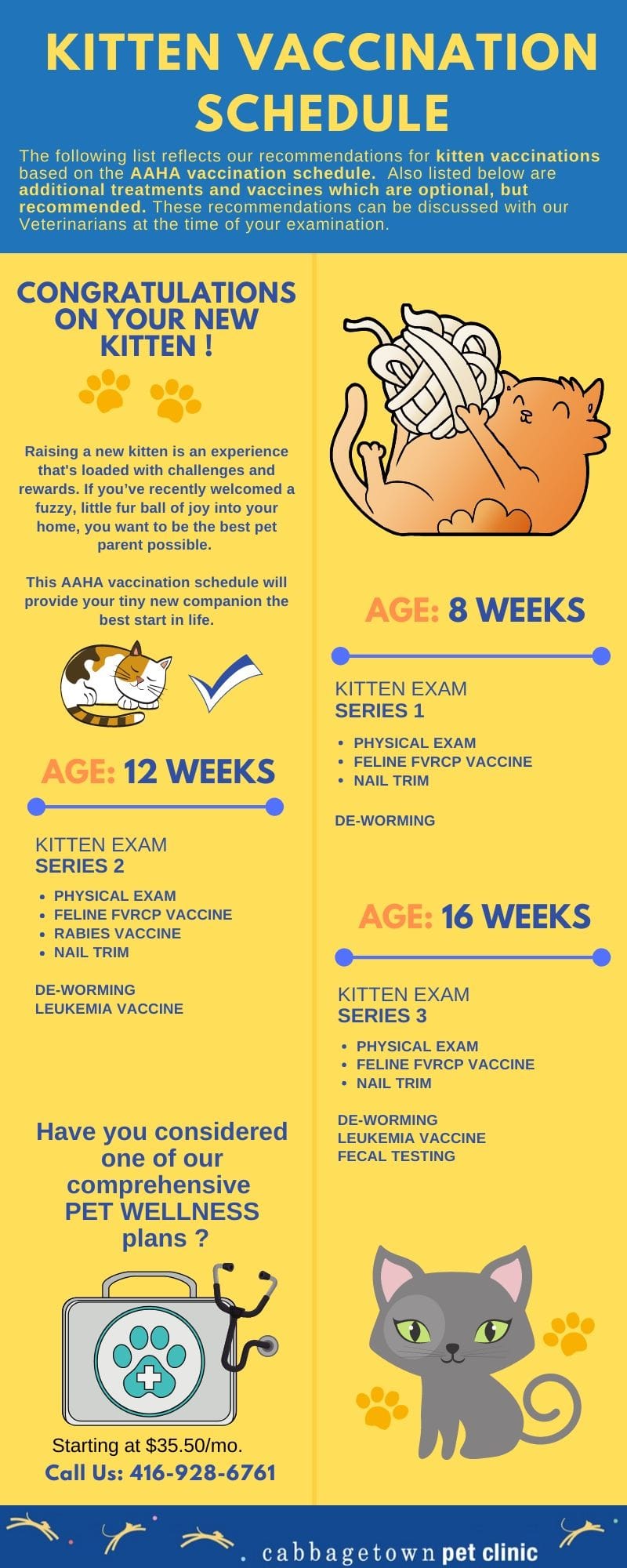
The anti-rabies vaccine for cats is crucial for protecting your feline companion from the invariably fatal rabies virus. Depending on the specific vaccine chosen, it is typically administered either annually or every three years. Rabies is not only deadly for your cat but can also be terminal for humans. The virus is commonly transmitted through the bites or scratches of infected animals. Once in the incubation stage, rabies patients often exhibit aggression, disorientation, and hydrophobia. Without timely treatment, rabies almost always results in fatal consequences for both animals and humans, underscoring the necessity of this vaccine from an early age.
FVRCP Vaccine
The FVRCP vaccine is a comprehensive 3-in-1 inoculation designed to protect cats against three distinct and dangerous viruses: feline rhinotracheitis virus, calicivirus, and feline panleukopenia virus. Rather than administering three separate injections, the FVRCP vaccine offers a convenient and effective way to provide protection. This 3-in-1 vaccine is generally recommended annually to shield cats from these highly contagious diseases.
FeLV Vaccine (Feline Leukemia Virus)
Protecting your cat from the Feline Leukemia Virus (FeLV) is achieved through timely vaccination. This disease is highly contagious and can spread through bodily fluids such as urine, saliva, and feces. Cats can contract FeLV while grooming each other or sharing food and water bowls with an infected cat. This fatal virus can lead to a host of associated health issues, including anemia, lymphoma, and immunosuppression. Therefore, the FeLV vaccine is recommended for cats from a very young age. The initial vaccination series for kittens typically consists of two doses, spaced three to four weeks apart, followed by a booster vaccination one year later for adult cats.
FPV Vaccine (Feline Panleukopenia Virus)
The FPV vaccine specifically targets feline panleukopenia, a severe and often fatal viral disease. Kittens should receive their first FPV shot around 6 to 8 weeks of age. It is recommended to revaccinate kittens every three to four weeks until they reach 16 weeks of age. Following this initial series, a booster dose should be administered between the ages of 1 and 2 years to maintain immunity.
4-in-1 Vaccine for Cats (FVRCCP)
This comprehensive 4-in-1 vaccine, also known as a 4-way vaccine or FVRCCP, provides protection against four significant feline diseases: rhinotracheitis, calicivirus, panleukopenia, and chlamydia. Feline chlamydia is a component of the feline upper respiratory complex and is a common underlying cause of early ocular infections in cats. For optimal protection, kittens should receive the 4-in-1 vaccine at 8, 12, and 16 weeks of age. A revaccination is then recommended once they reach one year of age, with subsequent boosters typically administered every three years to ensure your cat remains healthy.
5-in-1 Vaccine for Cats
The F5 or Fevac 5 vaccines are advanced 5-in-1 vaccinations designed to bolster your cat’s immune system against five distinct viruses. Inoculating your cat with this combination vaccine provides comprehensive protection against a range of potentially fatal illnesses.
Potential Side Effects of Cat Vaccinations
While vaccines are designed to stimulate the immune system and ward off dangerous illnesses, it’s not uncommon for cats to exhibit mild signs of discomfort or other symptoms following vaccination. These reactions are typically a positive indication that the cat’s body is actively building a defense mechanism against the targeted viruses. Potential side effects of anti-rabies, FVRCP vaccine, or other combination vaccines for cats may include:
- Lethargy
- Loss of appetite
- Vomiting
- Fever
- Diarrhea
- Swelling and redness at the injection site
Ensuring your feline friend is vaccinated according to a recommended schedule is instrumental in maintaining their long-term health and vitality. Therefore, it is highly advisable for all cat parents to collaborate with their veterinarian to establish a proper and timely vaccination schedule for their beloved pets.
