
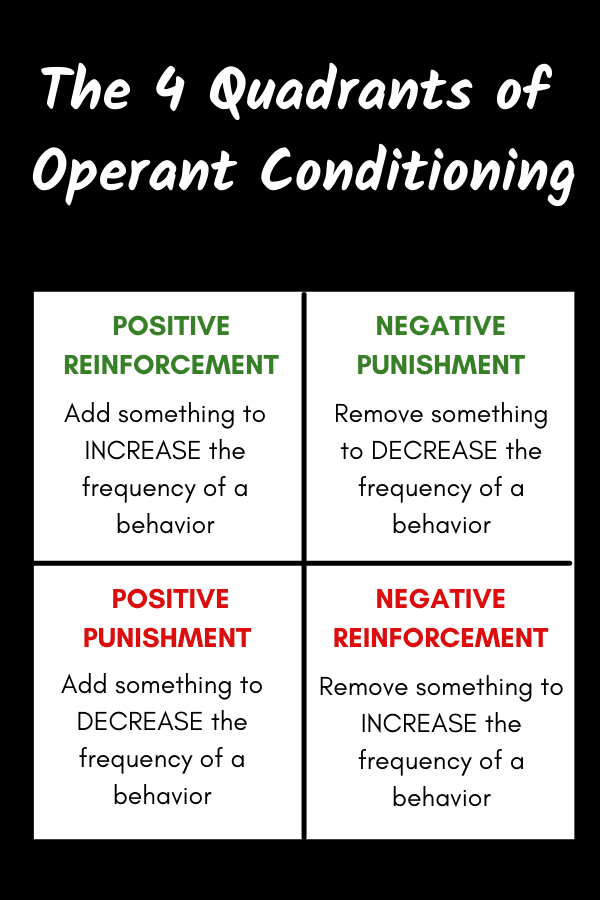
When you’re looking to shape your dog’s behavior, understanding the science behind how they learn is key. The 4 Quadrants Of Dog Training, rooted in operant conditioning, provide a clear framework for this. This method breaks down how consequences influence behavior, offering a nuanced approach beyond simple “rewards” and “punishments.” By mastering these quadrants, you can develop more effective, humane, and tailored training strategies for your canine companion.
The Foundation: Operant Conditioning
At its core, operant conditioning, a theory developed by B.F. Skinner, suggests that behaviors are learned through their consequences. Essentially, if a behavior is followed by a desirable outcome, the dog is more likely to repeat it. Conversely, if a behavior leads to an undesirable outcome, it’s less likely to occur again. This principle is divided into four distinct quadrants, each involving either the addition or removal of a stimulus to influence a behavior.
Positive Reinforcement (+R)
Positive reinforcement is perhaps the most widely discussed and ethically favored quadrant in modern dog training. It involves adding something the dog desires to increase the likelihood of a behavior. Think of it as rewarding good behavior.
- How it works: When your dog performs a desired action (like sitting when asked), you immediately provide something they love, such as a high-value treat, enthusiastic praise, or a favorite toy. This positive consequence makes the dog associate the “sit” command with a pleasant experience, making them more eager to sit again in the future.
- Examples:
- Giving your dog a treat when they successfully go potty outside.
- Tossing a ball for your dog after they bring you their leash.
- Offering a gentle pat and saying “good boy” when your dog remains calm during a visitor’s arrival.
- Why it’s effective: This method builds a strong bond between you and your dog, fostering trust and a positive association with training. It focuses on teaching the dog what you want them to do, rather than punishing what you don’t want.
Negative Punishment (-P)
Negative punishment, often misunderstood, is about removing something the dog desires to decrease the likelihood of a behavior. It’s essentially taking away a privilege or something good to discourage an unwanted action.
- How it works: If your dog is engaging in an undesirable behavior (like jumping up), you remove something they want – often your attention or a toy they are playing with. This consequence aims to make the dog understand that the unwanted behavior stops the good thing from happening.
- Examples:
- If your dog jumps on you for attention, you immediately turn your back or walk away, removing your attention until they calm down.
- If your puppy nips during play, you immediately stop playing and withdraw your hand for a few seconds.
- Taking away a toy if your dog is being too rough with it.
- Why it’s effective: This method teaches the dog that certain actions have consequences that lead to the loss of something desirable. It’s a way to communicate that their behavior is not acceptable without causing fear or pain.
Positive Punishment (+P)
Positive punishment involves adding something the dog finds aversive to decrease the likelihood of a behavior. This is often what people traditionally think of as “punishment,” and it’s a quadrant that requires extreme caution and expertise.
- How it works: When a dog performs an unwanted behavior, an unpleasant stimulus is introduced. The goal is that the dog will associate the unpleasant feeling with the behavior and stop doing it.
- Examples:
- A dog is startled with a loud noise when they bark excessively.
- A leash jerk is applied when a dog pulls ahead on a walk.
- Using a spray bottle with water as a deterrent for chewing furniture.
- Why it’s controversial: While it can suppress behavior, positive punishment carries significant risks. It can lead to fear, anxiety, aggression, and a damaged relationship with your dog if not applied perfectly, or if the stimulus is too harsh. Many modern trainers advocate for focusing on reinforcement and removal of rewards (negative punishment) instead.
Negative Reinforcement (-R)
Negative reinforcement is about removing something aversive to increase the likelihood of a behavior. It might sound counterintuitive, but it’s a powerful learning tool.
- How it works: You apply an unpleasant or uncomfortable stimulus until the dog performs the desired behavior. Once the behavior is exhibited, the unpleasant stimulus is removed, reinforcing the action.
- Examples:
- A dog is wearing a flat collar. You apply gentle pressure to the leash (aversive stimulus). As soon as the dog yields to the pressure and moves towards you or sits, you immediately release the pressure (remove aversive stimulus).
- Holding a dog’s collar loosely until they stop pulling on the leash.
- Applying gentle pressure to a dog’s hindquarters to encourage them to sit, releasing the pressure the moment they sit.
- Why it’s used: This quadrant is effective for teaching compliance and responsive behaviors. However, like positive punishment, it requires careful application to avoid causing distress and to ensure the dog understands the release is a reward for their action, not just a cessation of unpleasantness.
Applying the Quadrants in Modern Dog Training
The most effective and humane training approaches today primarily focus on positive reinforcement (+R) and negative punishment (-P). These methods build trust, strengthen the human-animal bond, and teach dogs what we want them to do in a way that is understandable and enjoyable for them.
- The Power of +R: Consider teaching your dog to “come” when called. When they run to you, you shower them with praise, offer a special treat, or engage in a quick game. This makes “coming” a highly rewarding experience.
- The Nuance of -P: If your dog mouths your hand too hard during play, you can simply withdraw your hand and stop playing for a moment. They learn that mouthing too hard makes the fun stop.
- Caution with +P and -R: While these quadrants can be effective, they are often reserved for professional trainers working with specific behavioral issues and require a deep understanding of canine behavior and stress signals. Misapplication can lead to unintended negative consequences, such as fear or aggression.
When Pigs Fly Dog Training
The phrase “when pigs fly” often implies something is impossible. In dog training, however, it can sometimes refer to a situation where a trainer might use a harsh correction (positive punishment) if a dog ignores a command, implying the dog will only obey when pigs fly – a sarcastic and often ineffective approach. Modern training avoids this, focusing on clear communication and building motivation through positive means.
Dog Training for Behavior
When addressing specific behavioral challenges, such as reactivity or resource guarding, trainers often employ a combination of techniques. For instance, teaching impulse control might involve positive reinforcement for waiting, while simultaneously using negative punishment by removing access to a high-value item if the dog exhibits possessive behavior. Understanding all four quadrants helps trainers diagnose why a behavior might be occurring and how to best modify it.
Integrating the Quadrants for Balanced Training
A truly balanced dog trainer understands all four quadrants, but they prioritize methods that foster a positive relationship and build confidence in the dog.
- Start with Positive Reinforcement: Always look for opportunities to reward desired behaviors. This is the foundation of good training.
- Use Negative Punishment Judiciously: When unwanted behaviors occur, consider what you can remove to discourage them, such as attention or access to a toy.
- Understand the Role of Aversives: Be aware that positive punishment and negative reinforcement exist and can suppress behavior. However, their use should be minimal, precise, and only by experienced professionals due to the potential for negative side effects.
- Focus on Communication: The ultimate goal is clear communication with your dog. By understanding how consequences shape behavior, you can communicate your expectations effectively and compassionately.
Mastering the four quadrants of dog training empowers you to become a more effective and empathetic handler. It moves beyond guesswork and into a scientifically-backed approach, ensuring your training journey with your dog is rewarding for both of you. Remember, the most successful training is built on trust, understanding, and a positive connection.
