
German Shepherd puppy ears standing up is one of the most common concerns for new owners. Those floppy ears on your adorable pup can be endearing, but many wonder how to encourage them to achieve the classic upright position. With the right approach, focusing on genetics, care, and patience, you can support healthy ear development. In this guide, we’ll cover proven tips based on veterinary insights and real-world experience with German Shepherds.
If you’re picturing your little one at this stage, check out these picture of a puppy german shepherd for some inspiration.
The Role of Genetics in Ear Development
Genetics is the most critical factor in whether your German Shepherd puppy’s ears will stand erect. Just as selecting parents with strong hips reduces the risk of dysplasia, choosing from lines with well-formed, firm ears boosts the odds of the same trait in offspring. According to the American Kennel Club (AKC) standards, German Shepherd ears should be erect, medium-sized, and firmly set—traits largely determined by DNA.
Unfortunately, once you’ve brought your puppy home, genetics are set. If ears are a priority, future litters should come from health-tested parents with show-quality ears. Reputable breeders screen for this, ensuring structural soundness. Veterinary experts emphasize that no amount of intervention can override poor genetics entirely, but starting strong sets the foundation.
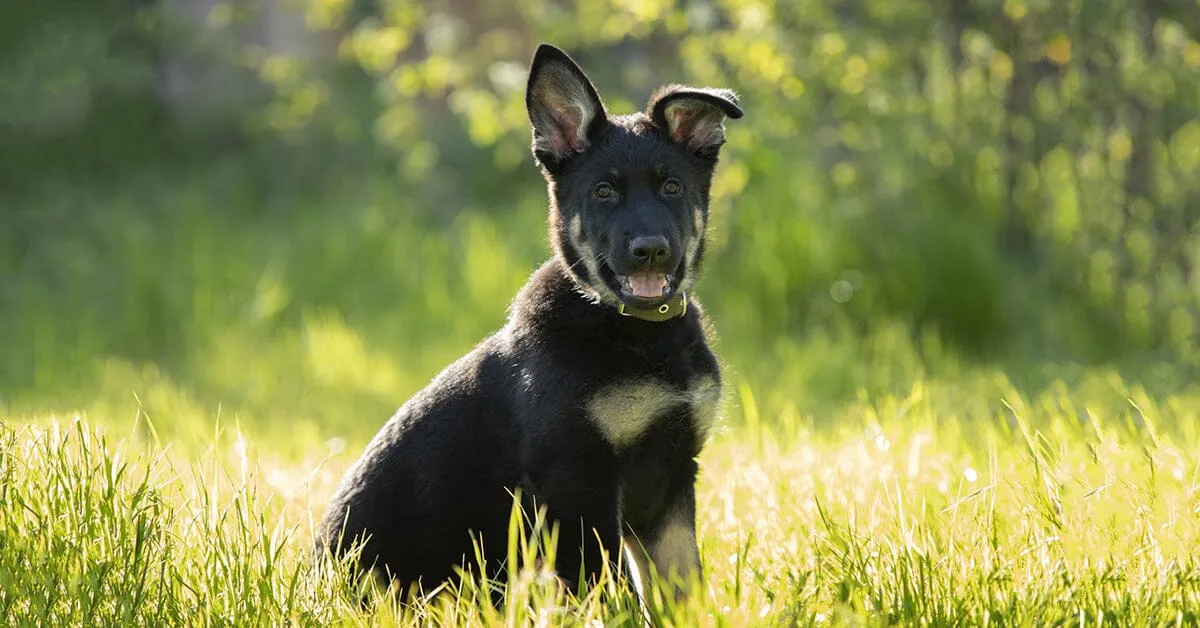 Helping Your German Shepherd Puppy Achieve Upright Ears
Avoid Excessive Handling of the Ears
It’s tempting to fiddle with those soft, floppy “satellite dishes,” but resist the urge. Constant flexing and bending weakens the cartilage as it hardens. Instead, pet your puppy with gentle backward strokes that align with natural ear folds—this promotes calm without interference.
Experienced trainers note that over-handling delays firmness, especially during growth phases. Focus on bonding through play and affection elsewhere on the body. This simple habit supports natural development without added stress.
Calcium Supplements Won’t Strengthen Cartilage
A popular myth suggests extra calcium will stiffen ears, but ears consist of cartilage, not bone. Commercial puppy foods formulated for large breeds like German Shepherds already provide balanced calcium levels meeting AAFCO standards. Excess supplementation risks hypercalcemia, potentially harming kidneys and heart, as warned by the ASPCA.
Veterinarians recommend sticking to high-quality kibble or raw diets vetted by professionals. For instance, brands used by police K9 units prioritize complete nutrition. Monitor your pup’s overall health instead—regular vet check-ups ensure nutrients are optimized.
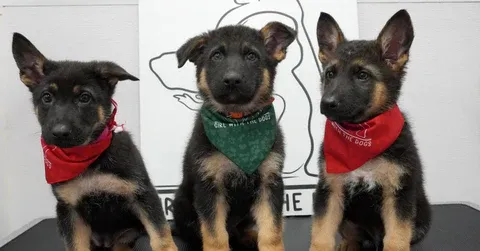 Dramatic 8-week-old German Shepherd puppies during bath time
Promote Chewing to Build Ear Muscles
German Shepherds have 18 muscles per ear, controlling movement and set. While muscles don’t harden cartilage, a strong jaw from chewing aids proper placement. Provide safe, durable toys like those with lifetime guarantees, favored by military trainers.
Encourage chewing post-meals or during teething. This not only strengthens head muscles but prevents destructive behaviors. Owners report better ear carriage in pups with consistent chew routines. See examples in pictures of 10 week old german shepherd puppies where muscle tone is evident early.
 German Shepherd puppy actively chewing on a toy
Patience During the Teething Phase
Most German Shepherd puppy ears don’t stand until after teething, around 4-6 months. Milk teeth shedding diverts calcium to jaws, causing ears to flop temporarily—even one up, one down is normal. Parasites or poor diet can exacerbate delays, stunting growth.
Prioritize deworming, vaccinations, and premium nutrition during this window. Vets from top facilities advise waiting until 5-6 months before concern. Many pups’ ears rise naturally post-teething. For visuals, explore 2 month old german shepherd puppy pictures showing early stages.
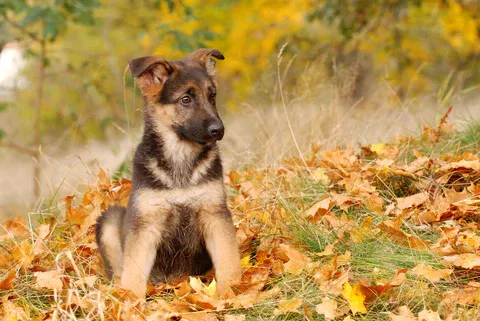 Floppy-eared German Shepherd puppy at rest
Taping or Gluing as Last Resorts
If ears remain down at 5-6 months post-teething, consider supportive methods—but only after vet consultation.
Option 1: Do Nothing
Floppy ears don’t impact health or performance. Focus on training and temperament. Notify breeders of weak lines to improve future pairings.
Option 2: Taping
Use skin-safe medical tape to support ears upright for weeks. Vets demonstrate this non-invasive technique—no surgery, pain-free. Expect reapplication; ignore critics confusing it with cropping (illegal/unethical for GSDs).
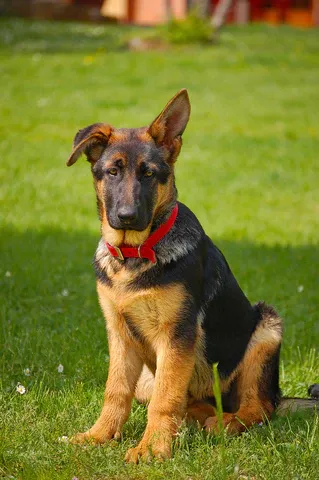 German Shepherd puppy with taped ears for support
Option 3: Gluing
Apply adhesive with foam inserts inside ears. Effective but messier and less common now.
Option 4: Surgical Cropping (Avoid)
Unethical for German Shepherds; disqualifies from shows. Prioritize natural methods.
Gluing/taping success rates vary (50-80% per breeder forums), but patience yields best long-term results.
Check out variations like black and tan german shepherd puppy or blue german shepherd puppies for sale to appreciate ear diversity.
Final Thoughts on German Shepherd Puppy Ears
Helping your German Shepherd puppy’s ears stand up involves genetics, minimal interference, proper nutrition, chewing, patience through teething, and optional support like taping. Most pups achieve upright ears naturally by 6-7 months with optimal care. Consult your veterinarian for personalized advice, ensuring parasite control and balanced diet.
Your pup’s health trumps aesthetics—strong ears follow a thriving dog. Share your experiences below, and explore more German Shepherd care tips on our site!
References
- American Kennel Club (AKC) German Shepherd Breed Standard: akc.org/dog-breeds/german-shepherd-dog/
- ASPCA on Nutritional Risks: aspca.org/pet-care/dog-care/dog-nutrition-tips
- Veterinary advice from police/military K9 trainers via German Shepherd forums and breeder networks.
