
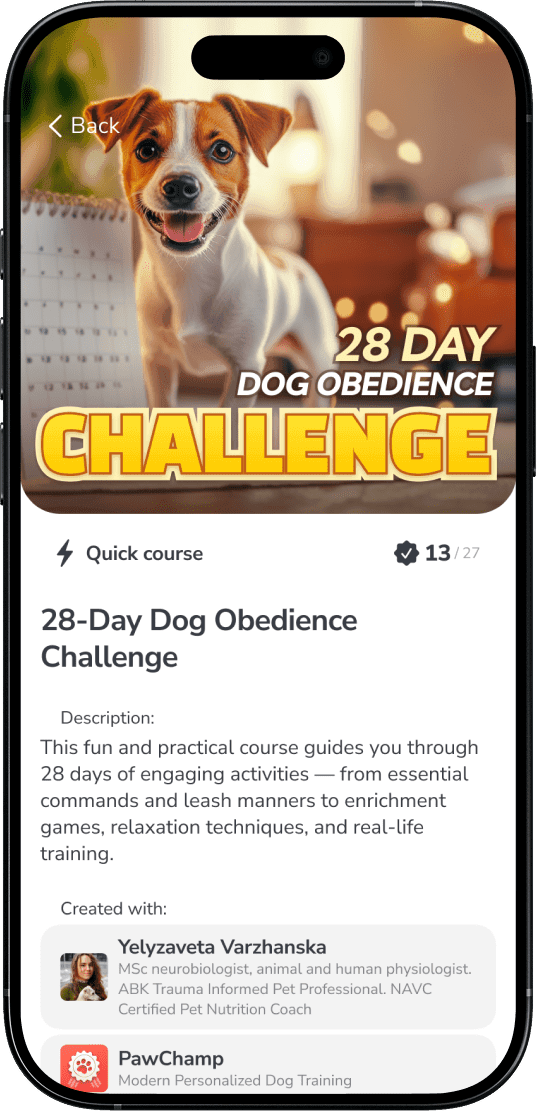
Embarking on the journey of dog ownership is incredibly rewarding, but it also comes with the responsibility of training your canine companion. A well-trained dog is a happy dog, and a happy dog leads to a harmonious home. If you’re looking for a structured approach to dog training, the 28-day dog training challenge can be an excellent starting point. This comprehensive guide will walk you through the essential steps to establish good behavior, foster a strong bond, and ensure your dog becomes a well-adjusted member of your family.
Understanding the Fundamentals of Dog Training
Before diving into a specific challenge, it’s crucial to grasp the core principles of effective dog training. Positive reinforcement is widely considered the most humane and effective method. This approach focuses on rewarding desired behaviors, making them more likely to occur again. Conversely, punishment-based methods can lead to fear, anxiety, and aggression in dogs. Understanding your dog’s breed-specific traits and individual personality will also significantly influence your training approach. For instance, some breeds are naturally more independent, while others are eager to please. Recognizing these differences helps tailor your training plan for success.
Why a 28-Day Challenge?
A time-bound training program like a 28-day dog training challenge offers several benefits. Firstly, it provides a clear roadmap, breaking down the often overwhelming task of training into manageable daily goals. This structure helps build consistency, which is key to a dog’s learning process. Secondly, it creates a sense of accountability for both the owner and the dog. By dedicating specific time each day to training, you’re investing in your relationship and your dog’s future behavior. Finally, completing the challenge provides a sense of accomplishment and establishes a solid foundation for ongoing training and socialization.
Getting Started: Preparation is Key
To maximize the success of your 28-day dog training challenge, thorough preparation is essential.
Essential Supplies
Before you begin, gather the necessary supplies:
- High-value treats: Small, soft, and enticing treats that your dog absolutely loves. These are crucial for positive reinforcement. Consider trying some x large training pads for dogs for house-training success.
- Leash and collar/harness: A comfortable, properly fitting collar or harness and a sturdy leash are vital for walks and training sessions.
- Training clicker (optional): A clicker can be used as a marker to signal the exact moment your dog performs the desired behavior, followed by a treat.
- Durable toys: For play and mental stimulation, which are integral to a well-rounded training plan.
- Patience and a positive attitude: This is perhaps the most critical element. Training takes time and consistency.
Setting the Stage for Success
- Choose a quiet training area: Minimize distractions, especially in the early stages.
- Keep sessions short and fun: Aim for 5-10 minute sessions multiple times a day, rather than one long, tedious session.
- End on a positive note: Always finish a training session with a successful command and a reward.
- Involve the whole family: Ensure everyone in the household is on the same page with training commands and methods to avoid confusing your dog.
The 28-Day Training Plan: Week by Week Breakdown
This plan is a general guideline. Adjust it based on your dog’s progress and specific needs.
Week 1: Foundations and Basic Manners
The first week focuses on establishing basic obedience commands and good habits.
- Day 1-3: Name Recognition and Focus: Start by getting your dog to respond to their name. Say their name in a cheerful tone, and when they look at you, reward them. Gradually introduce the “sit” command.
- Day 4-6: Sit and Stay: Once “sit” is reliable, introduce the “stay” command. Start with short durations and gradually increase the time and distance. This is foundational for many other behaviors.
- Day 7: Leash Introduction: Get your dog accustomed to wearing a leash. Keep it loose and positive. Avoid pulling or yanking. Consider exploring resources on electronic dog training collars if positive reinforcement methods aren’t yielding desired results, but always prioritize humane approaches.
Week 2: Expanding Skills and Addressing Common Issues
This week builds on the foundation, introducing new commands and tackling common challenges.
- Day 8-10: Come/Recall: This is a crucial safety command. Practice in a secure area, starting with short distances and increasing as your dog becomes more reliable.
- Day 11-13: Down: Teach your dog to lie down. Use a lure (treat) to guide them into position.
- Day 14: Potty Training Reinforcement: Continue reinforcing potty training rules established earlier. If you’re looking for the best dog potty training pads, ensure they are absorbent and appropriately sized for your dog. Consistency with potty breaks and rewarding success are key.
Week 3: Advanced Commands and Impulse Control
The third week introduces more complex behaviors and works on impulse control.
- Day 15-17: Leave It: Teach your dog to ignore tempting items on command. This is vital for preventing them from picking up dangerous objects.
- Day 18-20: Drop It: Useful for dogs who tend to hoard toys or other items. Teach them to release what they have in their mouth.
- Day 21: Loose-Leash Walking: Aim for walks where your dog walks beside you without pulling. Reward them for staying close.
Week 4: Generalization and Fun Tricks
The final week focuses on generalizing commands to different environments and adding some fun.
- Day 22-24: Practicing in New Environments: Take your training sessions to different locations (e.g., park, friend’s house) to help your dog generalize commands.
- Day 25-27: Introduce New Tricks: Challenge your dog with fun tricks like “shake paw,” “roll over,” or “play dead.” This keeps training engaging and mentally stimulating. You might find inspiration in a guide like 50 tricks to teach your dog.
- Day 28: Review and Celebration: Review all the commands learned throughout the challenge. Celebrate your progress with your dog! Consider enrolling in local dog training classes atlanta ga for continued learning and socialization.
Troubleshooting Common Training Challenges
Even with a structured plan, you might encounter bumps along the road.
- Lack of Focus: If your dog is easily distracted, shorten training sessions and increase the value of your rewards. Train in quieter environments first.
- Regression: It’s normal for dogs to have off days or seem to forget commands. Simply go back a step, reinforce the basics, and build up again. Consistency is your best ally.
- Stubbornness: This often stems from a lack of understanding or motivation. Ensure your commands are clear, your rewards are high-value, and you’re not pushing your dog too far too fast.
- House-soiling Accidents: Revisit your potty training schedule. Ensure frequent potty breaks, especially after waking up, eating, and playing. Clean accidents thoroughly with an enzymatic cleaner to eliminate odors.
“The key to successful dog training is not just about teaching commands, but about building a communication system based on trust and mutual respect. Every training session is an opportunity to strengthen that bond.” – Dr. Emily Carter, Canine Behaviorist
Beyond the 28 Days: Lifelong Learning
Completing a 28-day dog training challenge is a fantastic achievement, but it’s just the beginning. Training is an ongoing process that evolves as your dog grows. Continue to practice commands regularly, introduce new skills, and prioritize socialization. Attending advanced training classes or engaging in dog sports can provide further enrichment and strengthen your relationship. Remember, a well-trained dog is a joy to live with, and the journey of training is as rewarding as the destination.
By dedicating consistent effort and embracing positive training methods, you can successfully navigate your 28-day dog training challenge and build a lifelong partnership with your beloved canine companion.
