
It’s a perplexing situation many dog owners face: your once reliably house-trained dog, especially around the two-year mark, starts having accidents indoors again. This isn’t uncommon, and it’s often referred to as potty training regression. While frustrating, understanding the underlying causes is the first step to resolving this issue and restoring your dog’s reliable house manners. This guide will delve into why a two-year-old dog might regress in their potty training and offer practical, actionable solutions to help your canine companion get back on track.
Why is My Two-Year-Old Dog Having Accidents?
A two-year-old dog is typically considered to be in young adulthood, a stage where they should have mastered basic house-training. When regression occurs, it’s rarely due to defiance or spite. Instead, there are usually several contributing factors that need to be identified.
Medical Issues
One of the most critical first steps is to rule out any underlying medical conditions. Urinary tract infections (UTIs), bladder stones, kidney disease, or even gastrointestinal issues can cause a dog to lose control or feel an urgent need to urinate or defecate. Diabetes and Cushing’s disease can also lead to increased urination.
- Urinary Tract Infections (UTIs): These are common and can cause discomfort and a frequent, urgent need to urinate.
- Bladder Stones: Can cause pain and difficulty urinating, leading to accidents.
- Kidney Disease: Impaired kidney function can lead to increased thirst and urination.
- Gastrointestinal Upset: Diarrhea or other digestive issues can result in sudden urges to defecate.
- Diabetes Mellitus: Increased thirst and urination are hallmark symptoms.
- Cushing’s Disease: This hormonal disorder can cause increased thirst, urination, and appetite.
If your dog has recently started having accidents, especially if accompanied by other symptoms like lethargy, changes in appetite, or straining, a visit to the veterinarian is paramount.
Behavioral and Environmental Changes
Dogs are sensitive creatures, and changes in their environment or routine can trigger stress and anxiety, which can manifest as potty training regression.
- Changes in Routine: Has there been a shift in your work schedule, a new family member (human or pet) in the house, or a change in the dog walker’s schedule? Any disruption to their established routine can be unsettling.
- New Environment: Moving to a new home, even if it seems like a positive change, can be stressful for a dog. They may feel insecure in their new surroundings.
- Anxiety and Fear: Loud noises (fireworks, thunderstorms), separation anxiety, or fear of specific objects or people can cause stress that leads to accidents.
- Submissive Urination/Excitement Urination: While often seen in younger dogs, some dogs continue to exhibit these behaviors under stress or during greetings.
- Changes in Household Dynamics: Even subtle changes, like frequent visitors or a new pet roommate, can impact a dog’s sense of security.
Inadequate Outdoor Access or Training Reinforcement
Sometimes, the issue isn’t a new problem but a subtle decline in management or reinforcement.
- Insufficient Potty Breaks: As dogs age, their bladders can sometimes lose a bit of capacity, or they might not signal as clearly. If potty breaks have been slightly reduced or are less frequent, accidents can happen.
- Inconsistent Reinforcement: Have you become lax with praising your dog when they do eliminate outdoors? Positive reinforcement is crucial, and a lapse in this can reduce motivation.
- Changes in Outdoor Scent Marking: If another animal has marked territory near your usual potty spot, your dog might be hesitant or confused.
- Weather Changes: Some dogs become reluctant to go outside in extreme weather (heavy rain, snow, extreme heat).
Dominance or Marking Behavior
While less common in neutered/spayed dogs and often associated with adolescence, sometimes older dogs may exhibit marking behaviors, especially if there are other intact animals in the home or if they feel their status is challenged. This is distinct from general potty training accidents.
Strategies to Address Potty Training Regression
Once potential medical causes have been ruled out by your veterinarian, you can focus on behavioral and environmental solutions. A consistent and patient approach is key.
Revisit the Basics of Potty Training
Treat your dog as if they are a puppy again. This means:
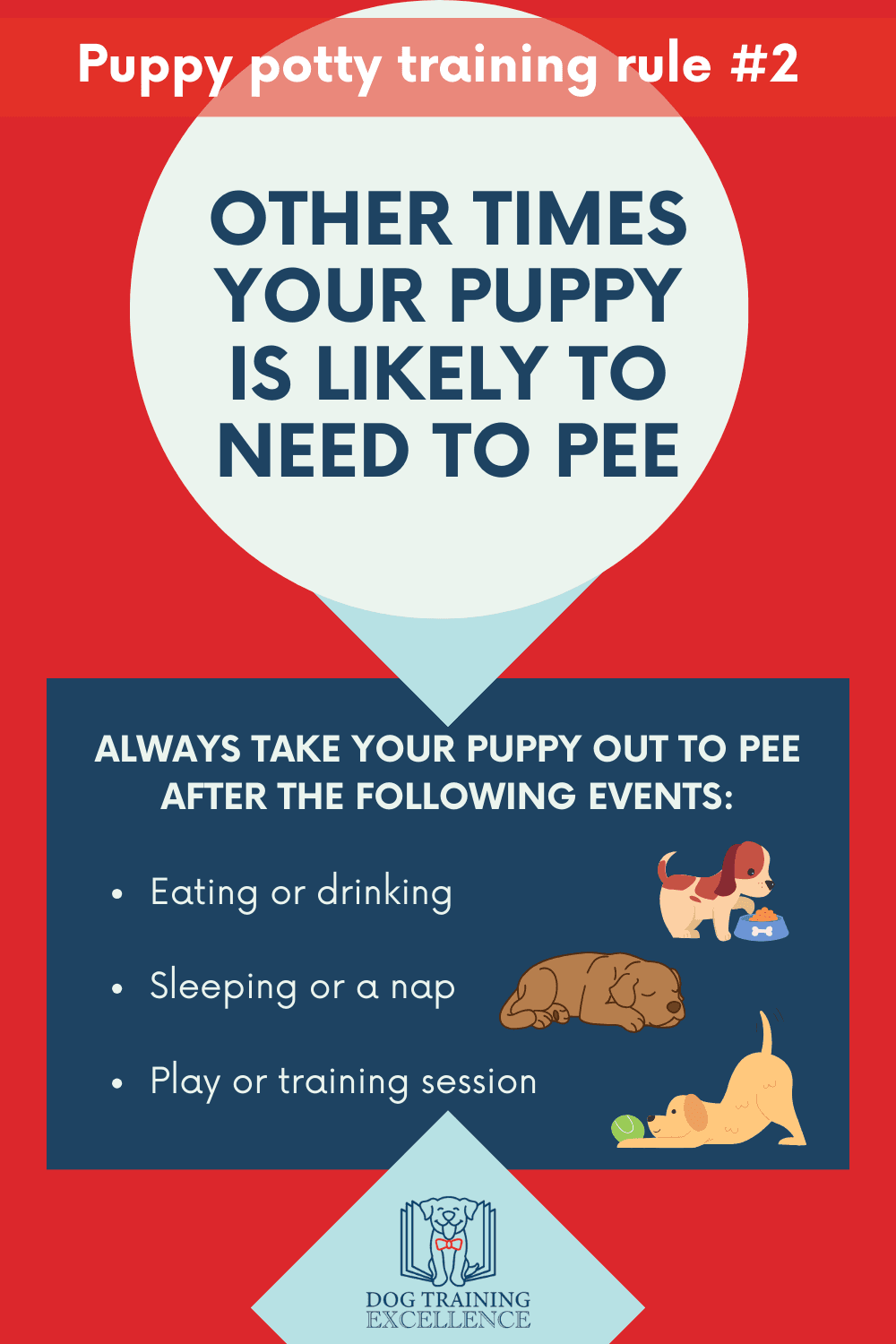
- Frequent Potty Breaks: Take your dog out more often than you think necessary, especially after waking up, after meals, after play, and before bedtime.
- Supervision: Keep a close eye on your dog when they are indoors. Crate training or using baby gates to limit their access to unsupervised areas can be very helpful.
- Positive Reinforcement: Lavishly praise and offer high-value treats immediately when your dog eliminates outside. Make it a party!
- Establish a Routine: Stick to a consistent schedule for feeding, playing, and potty breaks.
- Clean Accidents Thoroughly: Use an enzymatic cleaner specifically designed for pet odors. Regular household cleaners won’t eliminate the scent, and your dog may be drawn back to the spot. Avoid ammonia-based cleaners, as they smell like urine to dogs.
Address Anxiety and Stress Triggers
If you suspect anxiety is the root cause, focus on creating a secure and predictable environment.
- Identify Stressors: Try to pinpoint what might be causing your dog anxiety. Is it loud noises, being left alone, or a specific person?
- Counter-Conditioning and Desensitization: For specific fears, work with a professional trainer or veterinary behaviorist to implement these techniques gradually.
- Create a Safe Space: Ensure your dog has a comfortable den or crate where they can retreat and feel secure.
- Exercise and Mental Stimulation: Ensure your dog is getting enough physical exercise and mental enrichment (puzzle toys, training games). A tired dog is often a well-behaved dog.
- Calming Aids: Consider pheromone diffusers (like Adaptil), calming supplements, or Thundershirts, but always consult your vet first.
Increase Outdoor Opportunities and Consistency
Ensure your dog has ample opportunity to succeed.
- Leashed Trips: When you take your dog out, keep them on a leash initially so you can ensure they eliminate. Once they’ve gone, you can allow supervised free time.
- Designated Potty Spot: Take your dog to the same spot in the yard each time. The familiar scent can encourage them to go.
- Weather Preparedness: If weather is an issue, consider a doggy raincoat or boots, or providing a designated indoor potty area (like potty pads or a dog litter box) for emergencies.
Management Tools
- Crate Training: A properly crate-trained dog will typically avoid soiling their sleeping area. Use the crate for short periods when you cannot supervise directly. Ensure the crate is the right size – not too big, not too small.
- Umbilical Cord Method: For dogs with significant anxiety or who are difficult to supervise, tethering them to you with a leash can help prevent accidents and keep them engaged with you.
When to Seek Professional Help
If you’ve implemented these strategies consistently for several weeks and are not seeing improvement, or if the accidents are frequent and severe, it’s time to consult professionals.
- Veterinarian: Essential for ruling out medical causes.
- Certified Professional Dog Trainer (CPDT-KA/KSA): Can help with behavioral modification, reinforcement techniques, and creating a training plan.
- Veterinary Behaviorist (DACVB): For complex behavioral issues, anxiety disorders, or aggression, a veterinary behaviorist is the most qualified professional.
Expert Insight: What a Professional Might Say
Dr. Emily Carter, a renowned veterinary behaviorist, emphasizes patience and consistency: “Potty training regression in adult dogs is almost always a sign that something has changed – either physically or emotionally for the dog. Punishing accidents is counterproductive as it instills fear, not understanding. The focus must be on identifying the root cause and then rebuilding confidence and reliable habits through positive, reward-based training and careful management.”
Frequently Asked Questions (FAQ)
Q1: Can my two-year-old dog truly forget how to potty train?
A1: Dogs don’t “forget” in the human sense. Regression usually stems from underlying medical issues, stress, anxiety, or changes in routine or environment that disrupt their previous training.
Q2: How long does it take to fix potty training regression?
A2: The timeframe varies greatly depending on the cause and the consistency of your training efforts. It can range from a few weeks to a couple of months. Patience and a consistent, positive approach are crucial.
Q3: Should I punish my dog for having an accident?
A3: No, punishment is not recommended. It can create fear and anxiety, leading to more accidents or other behavioral problems. Instead, clean up thoroughly and focus on positive reinforcement when they eliminate outside.
Q4: What is the best enzymatic cleaner for pet accidents?
A4: Many reputable brands offer enzymatic cleaners specifically for pet odors and stains. Look for products recommended by veterinarians or trusted pet supply stores. Always follow the product’s instructions.
Q5: My dog used to hold it for 8 hours, but now needs to go every 4. Is this normal?
A5: A significant decrease in bladder control duration, especially without a clear cause, warrants a veterinary check-up. While minor changes can occur, a drastic shift should be investigated medically.
Q6: Can adding a new pet cause potty training regression?
A6: Yes, introducing a new pet can disrupt a dog’s routine and sense of security, leading to stress-induced accidents. It’s important to manage introductions carefully and reinforce training for all pets involved.
Conclusion: Rebuilding Trust and Reliability
Dealing with potty training regression in your two-year-old dog can be challenging, but it is far from insurmountable. By approaching the situation with a methodical mindset – starting with a veterinary check to rule out medical issues, then addressing environmental and behavioral factors – you can effectively guide your dog back to reliable house manners. Remember that consistency, positive reinforcement, and a deep understanding of your dog’s needs are your most powerful tools. With patience and dedication, you can rebuild trust and enjoy a clean and harmonious home life with your beloved canine companion.
