
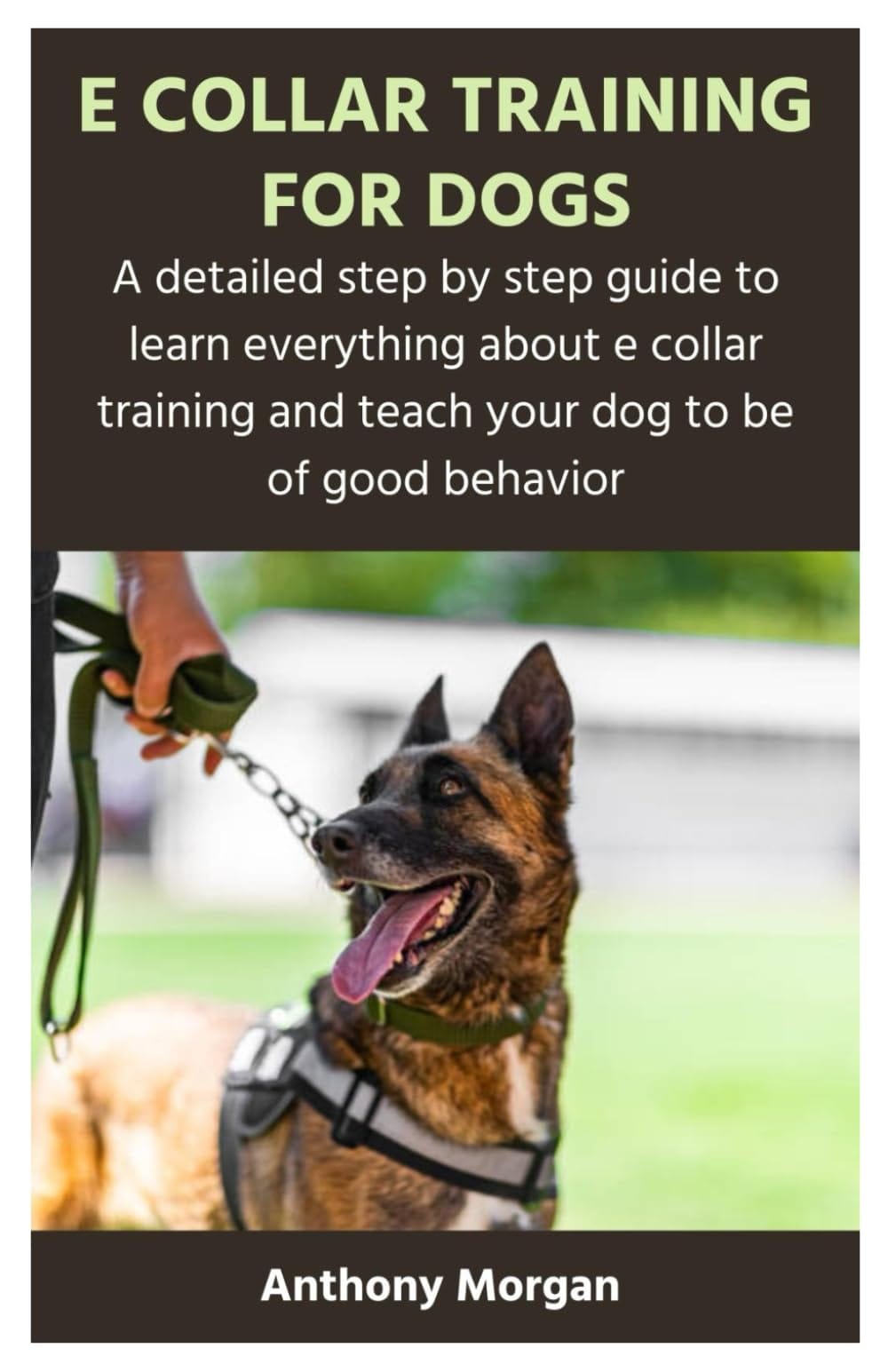
When it comes to training your canine companion, the right tools can make all the difference. Among the most effective and widely used are training collars. But with so many options available, how do you choose the best one for your dog and your training goals? This guide will walk you through the different types of dog training collars, their benefits, and how to select the most suitable option for your furry friend. We’ll delve into effective training methods, focusing on positive reinforcement and understanding your dog’s behavior.
Understanding Your Dog’s Training Needs
Before diving into specific collars, it’s crucial to understand your dog’s individual needs. Factors like breed, age, temperament, and the specific behaviors you aim to correct or encourage all play a significant role. Are you dealing with basic obedience, leash pulling, excessive barking, or a more complex behavioral issue? Understanding the root cause of the behavior is paramount. For instance, if your dog exhibits a strong prey drive, this will influence the type of training and equipment you might consider.
Types of Dog Training Collars
Dog training collars are not one-size-fits-all. They range from simple, non-aversive tools to more advanced electronic options. It’s important to approach any training tool with a focus on positive reinforcement and humane practices.
1. Martingale Collars
Martingale collars, also known as limited-slip collars, are designed to tighten slightly when your dog pulls on the leash, but not to the point of choking. They consist of a loop that tightens when the leash is pulled and loosens when relaxed.
- Best for: Dogs with slender heads, such as Greyhounds and Whippets, to prevent them from slipping out of their collars. They are also a good option for dogs that are prone to pulling.
- Pros: Help prevent dogs from escaping, provide gentle correction, and are generally safe when used correctly.
- Cons: Can be less effective for very strong pullers if not fitted properly.
2. Head Halters
Head halters, like the Gentle Leader or Halti, work by offering control over the dog’s head, much like a horse’s halter. The leash attaches under the dog’s chin, and when the dog pulls, their head is gently turned back towards you.
- Best for: Dogs that pull excessively on the leash, those with neck injuries, or for managing strong, large breeds.
- Pros: Offer excellent control without choking, can help redirect a dog’s attention, and are non-aversive.
- Cons: Some dogs may take time to adjust to wearing a head halter, and it requires proper fitting and introduction to avoid discomfort.
3. Front-Clip Harnesses
While not technically a collar, front-clip harnesses are a popular and effective training tool for leash pulling. The leash attaches to a ring on the dog’s chest, causing them to turn back towards you when they pull, discouraging forward momentum.
- Best for: Dogs that pull strongly on the leash, smaller breeds, and puppies.
- Pros: Highly effective for reducing pulling, comfortable for the dog, and non-aversive.
- Cons: May not offer as much control for very large or powerful dogs.
4. Basic Flat Collars and Martingale Collars (Revisited for Training)
For dogs with good leash manners, a sturdy flat collar can suffice for basic ID tags and everyday wear. However, for training purposes, especially with puppies or dogs learning to walk on a leash, a well-fitted martingale collar can offer an extra layer of security and gentle guidance.
Advanced Training Collars (Use with Caution and Expertise)
These types of collars are often referred to as “electronic” or “e-collars” and should be used with extreme caution, proper knowledge, and a strong emphasis on positive reinforcement principles. They are not suitable for all dogs or all owners.
1. Remote Control Training Collars (E-Collars)
These collars deliver a stimulation—vibration, tone, or static correction—that is activated remotely by the handler. They are designed to interrupt unwanted behaviors or reinforce commands.
- Best for: Experienced trainers working on specific, advanced training goals with dogs that have not responded to other methods, or for boundary training in large, open areas.
- Pros: Can be effective for off-leash training and remote control of behavior.
- Cons: High risk of misuse, causing fear, anxiety, or aggression if not used correctly. Requires a deep understanding of dog behavior and positive reinforcement. Incorrect use can severely damage the dog-handler relationship. It is highly recommended to consult with a certified professional dog trainer before considering any form of remote e-collar. You can find resources for dog training port orange or dog training sonoma county to seek local professional help.
2. Citronella Collars
These collars release a spray of citronella scent when they detect barking. The idea is to interrupt the barking without causing physical discomfort.
- Best for: Dogs with nuisance barking issues.
- Pros: A non-physical deterrent for barking.
- Cons: Some dogs may become desensitized to the spray, and it doesn’t address the underlying reason for the barking. It’s crucial to understand why your dog is barking.
3. Vibration Collars
Similar to e-collars, but they only use vibration as a warning or correction.
- Best for: Deaf dogs or dogs that are sensitive to static correction.
- Pros: Can be a less aversive option than static correction.
- Cons: Still requires careful use and understanding of dog body language to ensure it’s not causing undue stress.
Choosing the Right Collar: Key Considerations
When selecting a dog training collar, consider the following:
- Dog’s Size and Breed: A large, strong dog may require a different type of collar than a small, delicate one.
- Temperament and Sensitivity: Some dogs are more sensitive than others and will respond better to gentler methods.
- Training Goals: Are you addressing leash pulling, recall issues, or general obedience?
- Your Experience Level: If you are new to dog training, it’s best to start with simpler, non-aversive tools and seek professional guidance.
- Ethical Considerations: Always prioritize your dog’s well-being. Avoid tools that cause pain, fear, or anxiety. For example, while some may look for dog shock training collar options, it’s often more beneficial and humane to explore best no shock dog training collar alternatives.
The Importance of Proper Fit and Introduction
Regardless of the type of collar you choose, proper fit is essential. A collar that is too loose can slip off, while one that is too tight can cause discomfort or injury. Introduce any new training tool gradually and positively. Allow your dog to investigate the collar, associate it with treats and praise, and never force them to wear it. Patience and positive reinforcement are key to successful training.
Beyond the Collar: Holistic Training Approaches
Remember, a collar is just one tool in your training arsenal. A truly effective training program involves:
- Positive Reinforcement: Rewarding desired behaviors with treats, praise, or toys.
- Consistency: Applying training rules and commands consistently.
- Socialization: Exposing your dog to various people, places, and other animals.
- Mental Stimulation: Providing puzzle toys and engaging activities to keep your dog’s mind active.
- Understanding Dog Behavior: Learning to read your dog’s body language and understanding the motivations behind their actions.
Frequently Asked Questions About Dog Training Collars
Q1: Are electronic collars harmful to dogs?
A1: Electronic collars, if misused or set too high, can cause physical and psychological harm, leading to fear, anxiety, and aggression. They should only be used by experienced trainers as a last resort, with a strong emphasis on positive reinforcement.
Q2: What is the best type of collar for a puppy?
A2: For puppies, it’s best to start with a lightweight, flat collar or a comfortable harness for basic identification and leash training. Introduce training collars gradually as they grow and their training needs evolve.
Q3: How do I know if a training collar is fitted correctly?
A3: You should be able to comfortably slip two fingers between the collar and your dog’s neck. For martingale collars, ensure they tighten just enough to prevent escape but not so much as to cause distress.
Q4: Can I use a training collar for dogs with anxiety?
A4: If your dog suffers from anxiety, it’s crucial to consult with a veterinarian or a certified professional dog trainer. Some training collars might exacerbate anxiety, while others, used correctly within a broader behavior modification plan, might be helpful. Avoid using aversive tools on anxious dogs.
Q5: How often should I use a training collar?
A5: Training collars should be used as a tool to aid in teaching and reinforcing commands, not as a constant restraint or punishment. Their use should decrease as your dog learns and reliably responds to verbal cues.
Conclusion: Building a Stronger Bond Through Training
Choosing the right dog training collar is a significant decision that requires thoughtful consideration of your dog’s unique needs and your training philosophy. By prioritizing humane methods, understanding different tool types, and committing to consistent, positive reinforcement, you can effectively train your dog and strengthen the bond you share. Remember, the ultimate goal is a well-behaved, happy dog who enjoys a fulfilling life with you.
