
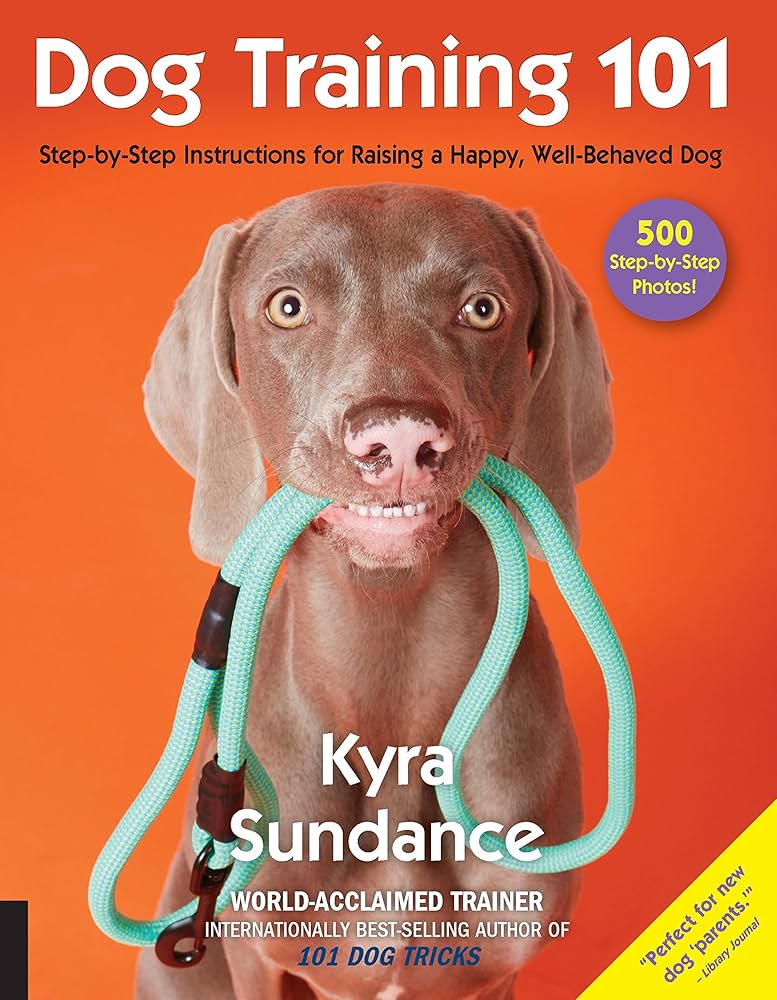
Ever watched those amazing dog shows and thought, “Wow, I wish my dog could do that!”? You’re not alone. The bond between humans and dogs is built on communication, play, and shared experiences, and teaching your dog new tricks is a fantastic way to deepen that connection. Whether you have a playful puppy or a seasoned senior, there’s always a trick to learn. And when it comes to mastering these canine capers, a comprehensive guide like a “101 Dog Tricks Book” can be your ultimate companion. It’s not just about the “wow” factor; it’s about mental stimulation, building confidence, and having a whole lot of fun together.
The journey of teaching a dog tricks is as rewarding as the final performance. It requires patience, consistency, and a good understanding of positive reinforcement. Think of it as a language lesson, where your dog is eager to learn and you are the patient instructor. A great resource, such as a book filled with 101 dog tricks, breaks down complex behaviors into manageable steps, making the process enjoyable for both of you. You’ll discover techniques that tap into your dog’s natural instincts and motivations, turning training sessions into highlights of your day.
Why Teach Your Dog Tricks? More Than Just Entertainment
Teaching your dog tricks goes far beyond simply showing off. It’s a powerful tool for enhancing your dog’s well-being and strengthening your relationship.
Mental Stimulation and Preventing Boredom
Dogs, like humans, need mental exercise. Boredom can lead to destructive behaviors and unhappiness. Learning new tricks challenges your dog’s mind, keeping them engaged and preventing them from finding their own (often undesirable) ways to entertain themselves. A mentally stimulated dog is a happier, healthier dog. Consider that a dog’s brain is just as active as ours, and they thrive on problem-solving and learning.
Strengthening the Human-Animal Bond
Every training session is an opportunity for positive interaction. When you successfully teach your dog a new trick, you both experience a sense of accomplishment. This shared success builds trust and strengthens the unique bond you share. It’s a language of positive reinforcement, where praise and rewards forge a deeper connection. This shared journey is invaluable for creating a harmonious partnership.
Improving Obedience and Behavior
Many tricks involve elements of obedience, such as focus, impulse control, and responding to cues. Practicing these skills in a fun context can naturally translate to better general obedience. For instance, teaching a “stay” or a “leave it” is a trick in itself and has significant real-world applications for safety and good behavior. This positive approach often makes dogs more responsive overall.
Boosting Confidence
For shy or timid dogs, learning and successfully executing tricks can be a huge confidence booster. Each small success builds their self-esteem, making them feel more secure in their abilities and in their interactions with you. Imagine a dog that was once hesitant now proudly offering a paw or performing a spin – it’s a testament to the power of positive training.
Getting Started: Essential Tools and Mindset for Trick Training
Before diving into a book of 101 dog tricks, setting the right foundation is crucial. This involves gathering a few key supplies and adopting a positive, patient mindset.
The Right Tools for the Job
- High-Value Treats: Small, soft, and extra-tasty treats that your dog absolutely loves are essential. These are your primary reward system. Think bits of cooked chicken, cheese, or special training treats.
- A Clicker (Optional but Recommended): A clicker is a marker that precisely signals to your dog the exact moment they performed the desired behavior, followed immediately by a treat. It helps dogs learn faster by clearly indicating what earned the reward.
- A Leash and Collar/Harness: For some tricks, especially those done outdoors or requiring more control, these are important.
- A Positive Attitude: Patience, enthusiasm, and a sense of humor are your most important tools. Training should be fun!
The Power of Positive Reinforcement
This is the cornerstone of modern dog training. Positive reinforcement means rewarding behaviors you want to see repeated. When your dog performs a trick correctly, they get a reward – praise, a treat, a favorite toy, or a play session. This makes them more likely to offer that behavior again. Punishment or harsh methods can create fear and anxiety, damaging your relationship and hindering learning.
Understanding Your Dog’s Motivation
What gets your dog excited? Some dogs are highly food-motivated, while others are driven by praise, toys, or a good game of tug. Identifying your dog’s primary motivators will make training much more effective. A 101 dog tricks book will often suggest how to tailor rewards for different dogs.
Exploring the 101 Dog Tricks: A Glimpse into the Possibilities
A comprehensive “101 dog tricks book” usually categorizes tricks by difficulty, type, or skill, making it easy to navigate. Here’s a peek at the kinds of tricks you might find, from beginner to advanced:
Easy Wins: Building Blocks for Success
These are perfect for puppies and dogs new to training. They often involve rewarding natural behaviors or simple actions.
- Paw/Shake: A classic that’s easy to teach. Reward your dog for lifting a paw.
- Spin: Teaching your dog to turn in a circle, often by luring them with a treat.
- Bow: Encouraging your dog to lower their front end while keeping their rear up, like a play bow.
- High Five: A variation of “paw,” often requiring more precision.
- Kiss: Training your dog to give a gentle lick on command.
These foundational tricks are excellent for building confidence and establishing a communication system.
Intermediate Challenges: Adding Complexity
Once your dog has mastered the basics, you can move on to more complex behaviors that require sequencing or more refined movements.
- Roll Over: This involves luring your dog from a down position to a full roll. It requires coordination and trust.
- Play Dead: Teaching your dog to lie down and stay still on cue, often triggered by a pointing finger.
- Fetch: Not just any fetch, but teaching them to retrieve specific toys or items by name.
- Sit Pretty/Beg: Balancing on their hind legs. This requires core strength and balance.
- Weave Through Legs: Guiding your dog to move in and out between your legs as you walk.
These tricks often involve a series of smaller steps that are taught individually and then linked together. A good 101 dog tricks book will break these down meticulously.
Advanced Maneuvers: Impressing the Crowds
These tricks often require significant practice, precision, and a strong understanding of cues and timing.
- Jump Through a Hoop: Requires building up from low obstacles to higher jumps.
- Bark on Command: Teaching your dog to vocalize when asked.
- Tidy Up Toys: Training your dog to put their toys back into a designated box.
- Bow Wow (Speak and Hold): Combining “bark on command” with a duration cue.
- Fetch a Beer/Remote: Complex retrieval tasks that involve identifying and bringing specific items.
These advanced tricks are often the culmination of consistent training and a deep understanding of your dog’s capabilities.
Implementing Tricks: Tips for Success from a 101 Dog Tricks Book
A well-written “101 dog tricks book” will offer practical advice on how to make training sessions effective and enjoyable.
Keep Sessions Short and Sweet
Dogs have limited attention spans, especially when they are young or new to training. Aim for short, frequent training sessions (5-10 minutes) rather than long, infrequent ones. End each session on a positive note, ideally after a successful trick, to keep your dog eager for the next one.
Be Consistent with Cues
Use the same verbal cues and hand signals every time for each trick. If “roll over” is the cue, stick to it. Inconsistency can confuse your dog and slow down the learning process. This clarity is vital for effective communication.
Fade Lures Gradually
When teaching new tricks, you’ll often use a treat to lure your dog into the desired position. Once your dog understands the movement, gradually reduce your reliance on the lure, transitioning to just the verbal cue or hand signal. This ensures your dog performs the trick because they understand the cue, not just because they see the treat.
Break Down Complex Tricks
For more challenging tricks, such as “roll over” or “tidy up,” break them down into the smallest possible steps. Reward each successful step before moving on to the next. This approach, often detailed in a 101 dog tricks book, prevents frustration for both you and your dog.
Practice in Different Environments
Once your dog reliably performs a trick in a quiet home environment, start practicing in more distracting locations. This helps generalize the behavior, ensuring your dog can perform the trick anywhere, not just in their usual training spot. Start with mild distractions and gradually increase the challenge.
Celebrate Successes!
Positive reinforcement is key. Shower your dog with praise, give them their high-value treat, or engage in a brief play session immediately after they successfully complete a trick. This positive association makes them eager to learn more. Remember, every dog learns at their own pace.
Troubleshooting Common Training Challenges
Even with the best guidance from a 101 dog tricks book, you might encounter a few bumps along the road.
- My dog isn’t motivated: Ensure you’re using high-value treats that your dog truly finds rewarding. Experiment with different types of rewards – toys, praise, or a quick game. Make sure your dog isn’t too full or too tired.
- My dog is scared of the cue/trick: Never force your dog. If they show fear or anxiety, go back to an easier step or a simpler trick. Reintroduce the element they fear very gradually, always pairing it with positive reinforcement.
- My dog only performs the trick with a lure: This means the lure needs to be faded more effectively. Practice performing the hand motion for the trick without a treat in your hand, rewarding only after the correct behavior.
- My dog gets distracted easily: Start training in a very quiet, low-distraction environment. Gradually introduce distractions as your dog becomes more reliable. Ensure sessions are short enough to maintain focus.
The Ultimate Goal: A Happier, More Connected Companion
Embarking on a trick-training journey with your dog, armed with a resource like a “101 dog tricks book,” is an incredibly enriching experience. It’s about more than just a repertoire of impressive feats; it’s about deepening your understanding of your canine friend, enhancing their cognitive abilities, and solidifying the unbreakable bond you share. Each trick learned is a testament to your teamwork, patience, and the love that forms the foundation of your relationship. So, grab that book, get some treats, and get ready to unleash your dog’s hidden talents – you’ll both be amazed at what you can achieve together.
